
Last updated November 15, 2026
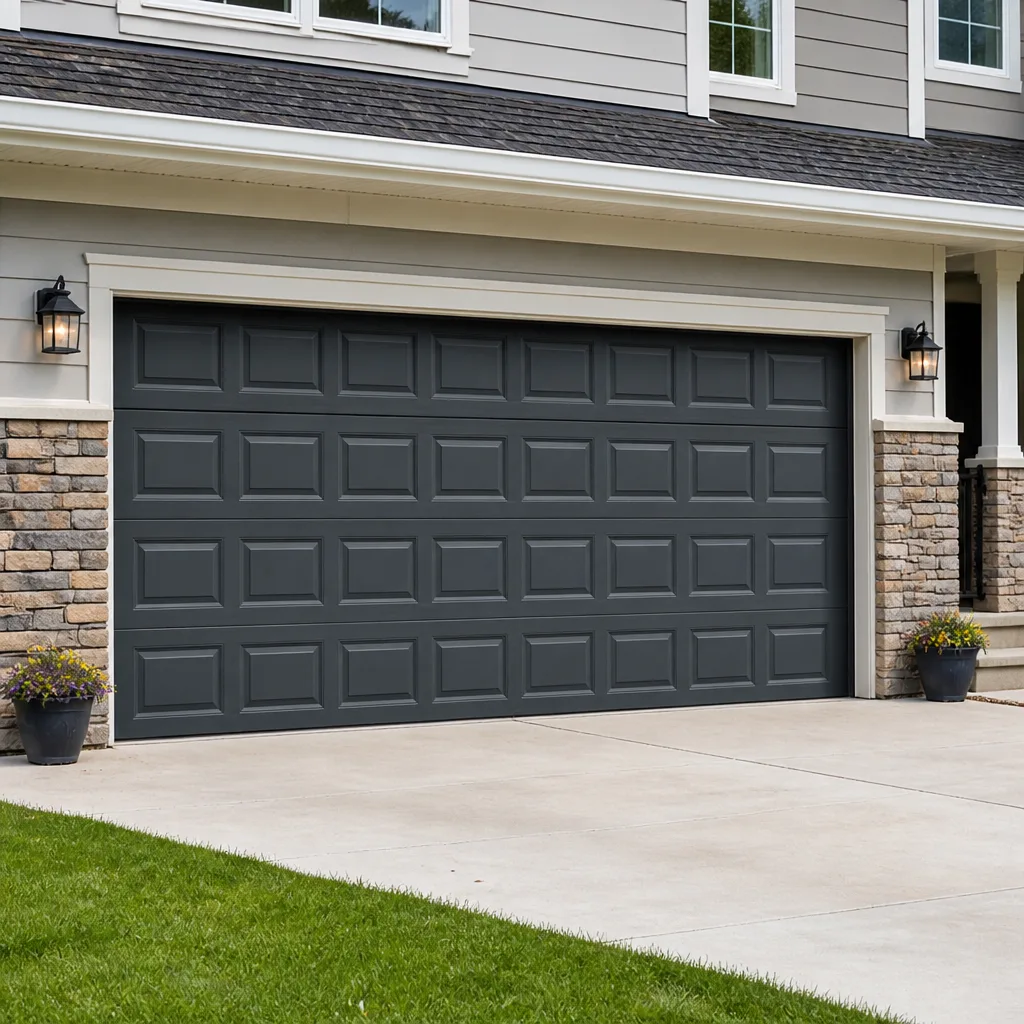 Raised-panel steel
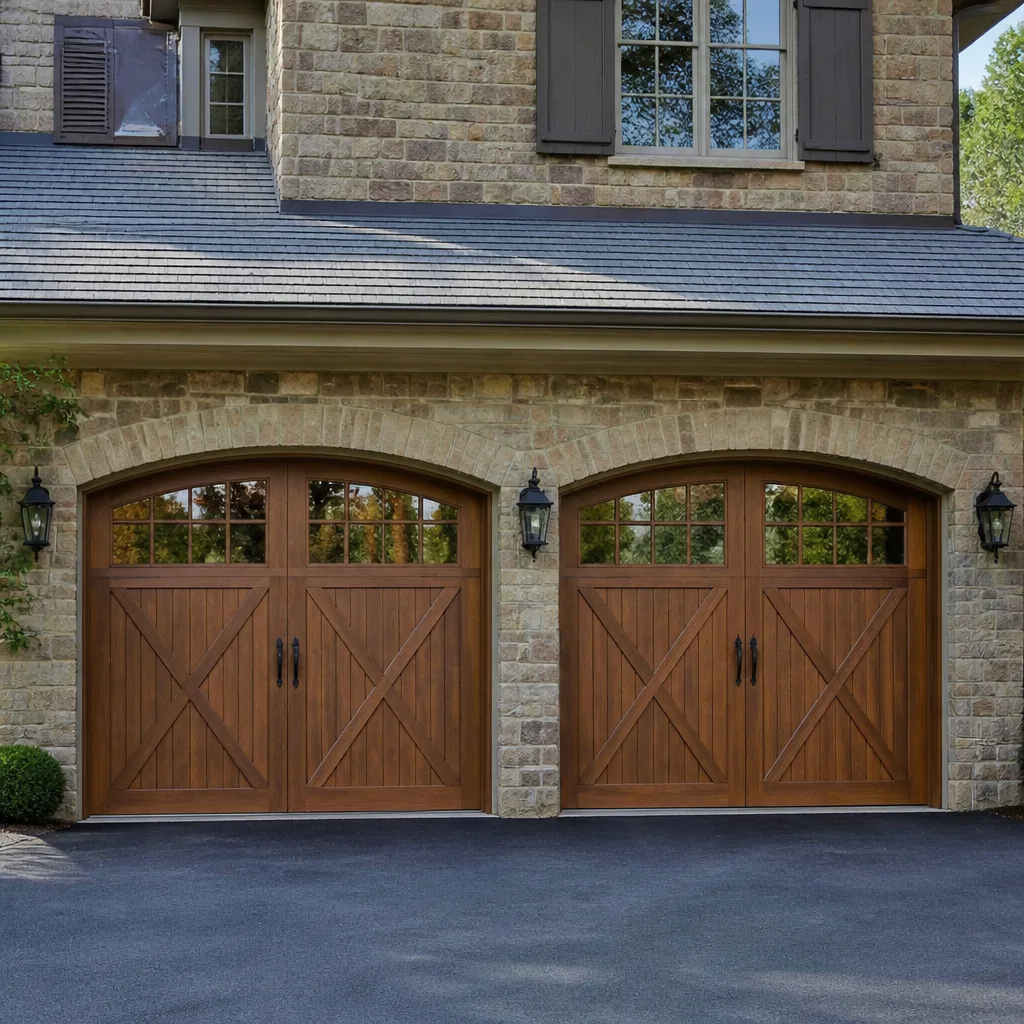 Carriage house
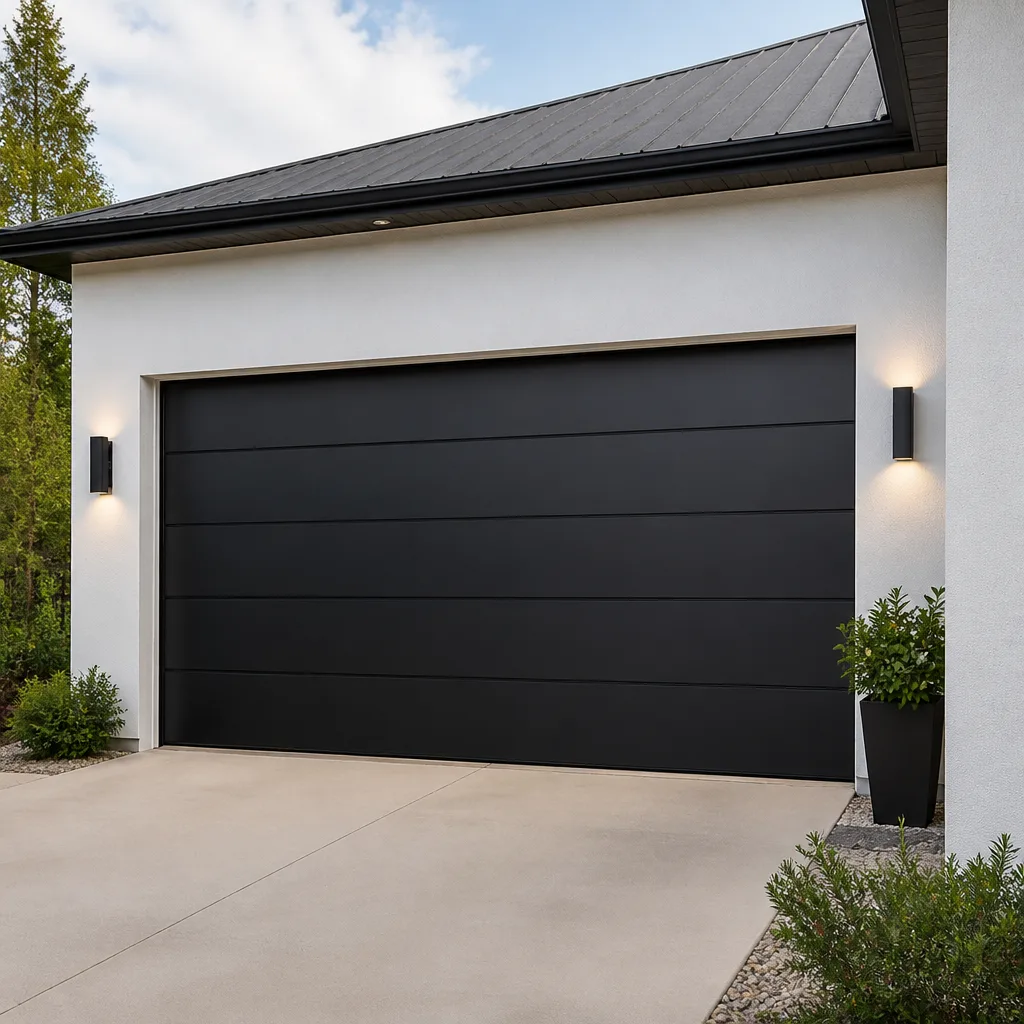 Modern flush
 Full-view glass
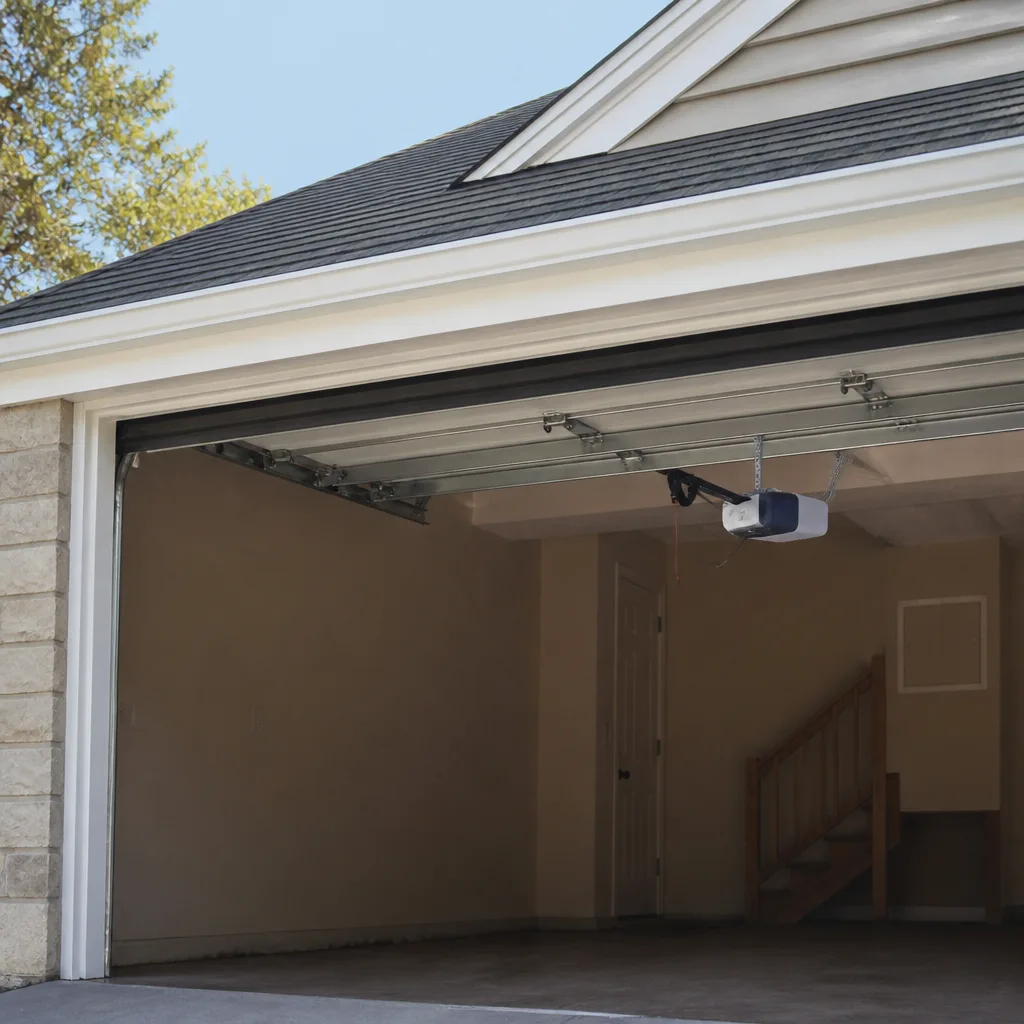 LiftMaster openers
 Chamberlain openers
Full 25-point door and opener safety check with every visit - springs, cables, rollers, tracks, and your LiftMaster or Chamberlain opener included
You get a price before we start. It does not change when the pro arrives.
Get your free estimateSeasonal Garage Door Care for Knoxville: Year-Round Homeowner’s Guide
Most garage door maintenance advice online was written for a climate that isn’t yours. A homeowner in Phoenix worries about sun-baked seals; a homeowner in Minneapolis fights ice dams. Knoxville gets neither of those extremes, but it gets something harder to plan around: four genuinely distinct seasons that each stress your door in a different way. With roughly 11 inches of snow a year, a humid subtropical climate, and spring weeks that swing 50 degrees or more, the maintenance calendar here has to be built for East Tennessee specifically. This guide maps each season to the parts that actually fail during it, so you’re maintaining ahead of the problem instead of reacting to it.
Quick Answer
Garage door care in Knoxville follows a four-season cycle: inspect and listen for spring wear in spring after winter’s cold cycling, check for humidity swelling and weatherstripping lift in summer, lubricate and tighten hardware in fall before the first freeze, and adjust opener sensitivity and force settings in winter before sub-20°F cold strains the motor. The single most valuable annual task is a balance test, which catches the wear that causes most future service calls.
Styles & brands we work with
- Raised-panel steel
- Carriage house
- Modern flush
- Full-view glass
- LiftMaster openers
- Chamberlain openers
Table of Contents
- Why Knoxville’s Climate Wears Doors Differently
- Spring: The Highest-Risk Season for Spring Snaps
- Summer: Humidity, Wood Swelling, and Adhesive Failure
- Fall: The Pre-Freeze Lubrication Window
- Winter: When Openers Struggle Below 20°F
- The Balance Test Most Homeowners Skip
- Knoxville Month-by-Month Maintenance Calendar
- Common Mistakes to Avoid
- When to Call a Professional
- Frequently Asked Questions
Why Knoxville’s Climate Wears Doors Differently
A garage door is one of the few exterior components on your house that moves every single day, and it’s the only one whose moving parts live on an exterior wall exposed to every seasonal shift. In Knoxville, those shifts are real. Summer humidity in the valley runs high for months on end, which is hard on wood components and the adhesive that holds weatherstripping in place. Winter brings enough freezing mornings to stiffen lubricants and strain opener motors. Spring arrives with fast temperature swings that expand and contract steel tracks and springs unevenly.
That combination means a door in Knoxville accumulates wear on a different schedule than a door elsewhere. Where a desert homeowner might replace weatherstripping because of UV cracking, a Knoxville homeowner is more likely to see the rubber pull loose at the corners because humidity weakened the adhesive bond and the temperature swing finished the job. Where a cold-climate owner focuses on ice and salt, here the bigger issue is repeated freeze-thaw cycles on a door that never fully dries out in the humid months.
The other thing worth understanding is that your door and your opener are one system. Springs, cables, rollers, tracks, panels, and the motor that lifts them all interact, and wear in one place accelerates wear in another. A stiff roller makes the opener work harder. A slightly off-balance door makes the springs carry more load than they were sized for. When you’re diagnosing a problem, treating the door and the opener together saves you from fixing half a problem and paying twice. That single point of contact is a big part of why we handle both garage door repair and opener work as the same job.
Spring: The Highest-Risk Season for Spring Snaps
Spring is when torsion and extension springs are most likely to break, and the reason is simple mechanics. Springs are under constant tension, holding the full weight of the door. During winter they’ve cycled hundreds of times in cold, stiff conditions. Then spring arrives with wide temperature swings, and the metal expands and contracts repeatedly as the days warm and the nights stay cool. That cycle fatigues the steel at its weakest point, which is usually a worn coil or a corrosion pit that’s been slowly growing.
Post-winter is when that accumulated fatigue shows up as a snap. If you’ve ever heard a sound from the garage like a gunshot, that’s typically a broken torsion spring letting go. It can happen while the door is sitting still, which surprises people who assume a spring only fails mid-cycle.
The warning sounds to listen for
- A sharp bang from the garage with no other cause: this is the classic sign of a broken spring. Stop using the door.
- Grinding or scraping on the way up: often worn rollers or a dry track, sometimes a spring losing tension.
- A door that opens a foot and stops: the opener is straining against a spring that’s no longer assisting, or a safety sensor issue.
- Rattling that’s louder than last year: loose hardware and worn hinges, common after a winter of cold cycling.
What to do in spring (safely)
- Walk the full length of both springs and look for a visible gap or separated coil. Do not touch them.
- Look at the cables that run alongside the springs. Frayed strands or a slack cable mean stop and call.
- Check the tracks for dents or misalignment by eye only, and clear any grit or debris out of the channel.
- Test the safety reversal by placing a small object in the door’s path and confirming the door reverses.
- If anything looks broken, keep the door closed and call a technician.
We want to be plain about this: torsion springs and the cables under load are genuinely dangerous. A torsion spring stores enough energy to cause serious injury, and the tools to wind one are specialized for good reason. Anyone who tells you spring replacement is a do-it-yourself job is giving you bad advice. If a spring in your Knoxville door has failed, that’s exactly the kind of work to hand to a trained professional. Replacing one spring costs less than the injury risk of trying it yourself, and the written estimate sets the price before any work starts.
Summer: Humidity, Wood Swelling, and Adhesive Failure
Knoxville’s humid subtropical summers put your garage door through months of high moisture, and wood and adhesive suffer first. If you have a wood door or a wood-composite door, the panels take on moisture, swell slightly, and push against the frame and each other. You’ll notice it as a door that suddenly rubs where it used to open cleanly, or panels that look a little out of line. Left alone, repeated swelling and drying eventually splits the finish and lets water into the grain.
The other summer problem is weatherstripping. The rubber or vinyl seal along the bottom and sides is held on with adhesive and fasteners. Heat softens the adhesive, humidity weakens the bond, and the strip starts to sag or peel at the corners. Once it lifts, it no longer seals, and the gap it creates lets in heat, humidity, insects, and water.
Which materials hold up best in East Tennessee humidity
- Steel doors hold their shape through humidity swings and don’t swell. They still need the finish inspected, because any chip or rust spot is where moisture gets a foothold.
- Aluminum doors resist moisture well and are light, which is easier on the opener. The tradeoff is dent vulnerability.
- Composite and vinyl-faced doors are built to resist moisture and swelling and need less seasonal attention than wood. They’re a practical choice for this climate.
- Wood doors look great but need a sound finish and a seasonal check. If you love a wood door, plan on resealing it more often here than a cold, dry climate would demand.
If your door is a Clopay or Amarr model and the panels are timber, keep a close eye on the bottom section, where moisture collects. The bottom seal and the panel behind it take the worst of it.
Summer checklist
- Run your hand along the bottom seal and the side weatherstripping. Peel back any corner that looks loose and check the adhesive.
- Open and close the door and listen for new rubbing sounds that suggest panels have swollen or shifted.
- Look for cracks or checking in a wood finish, especially at the bottom and along panel seams.
- Clear debris and grass clippings from the bottom of the tracks.
- Check the opener’s wall control and safety sensors still function in the heat. Heat and humidity can affect the electronics.
Replacing weatherstripping is a manageable job, but if the door is hard to move, rubbing, or the opener is straining, that points to door or opener trouble that’s better diagnosed properly. Our teams work on the brand already on your door, so you’re not starting over.
Fall: The Pre-Freeze Lubrication Window
Fall is the season that quietly sets up the health of your door for the next six months. The reason is lubrication and hardware tension. As temperatures drop toward freezing, any lubricant that’s thin or dried out will stiffen, and metal parts contract. A door that rolls and lifts smoothly in September can bind and strain by December if it went into winter dry.
The right window for the annual lubrication is before the first sustained cold, which in Knoxville usually means October into early November. Doing it then means the lubricant is fresh and protective when the cold arrives, not already worked into a dry track.
What to lubricate
- Rollers: a few drops of garage-door lubricant on the roller bearings and stems, not the track itself if your rollers are nylon.
- Hinges: the pivot points on each hinge, so the panel joints articulate freely.
- Torsion spring coils: a light application where the coils meet. A trained technician handles this as part of service, since the spring is under load.
- Lock and latch mechanism if your door has one.
- Opener chain or screw drive: follow the opener manufacturer’s guidance. A Genie or Chamberlain chain drive takes a specific lubricant on the rail and chain.
Skip motor oil and general-purpose grease. They attract dust and grime and can gum up over the winter. A silicone-based or dedicated garage-door lubricant is the right choice.
Fall hardware check
- With the door closed, check the hinges and brackets for loose bolts and tighten with the correct size wrench.
- Wipe the tracks clean with a damp rag and dry them, then check for bends or misalignment.
- Inspect the springs again for gaps, rust, or stretch that looks uneven.
- Lubricate the moving parts as above.
- Run the door through a few full cycles and listen for any new sound.
If the door is older and the hardware is worn, fall is a good time to address it, before a cold-morning failure forces the issue. garage door opener repair and hardware service are things we do as standard work, so wear found in the fall can be handled in one visit rather than three.
Winter: When Openers Struggle Below 20°F
Knoxville winters bring enough sub-20°F mornings that opener performance becomes the issue of the season. Cold affects the motor and the mechanical load at the same time. Battery-backed electronics, circuit boards, and the motor’s internal components all function less efficiently in the cold. The door itself is heavier to move because lubricants are thicker and metal has contracted. The result is that the opener pulls harder current and the motor struggles, sometimes tripping its internal thermal protection and stopping mid-operation.
This is why adjusting the opener’s force and sensitivity settings before winter is worth the effort. Those settings tell the opener how hard to push to lift the door and how much resistance to allow before reversing for safety. If they’re set wrong, the opener either strains against a heavy door or trips the safety reversal on its own during cold mornings.
Adjust opener settings before the cold
- Locate the force and sensitivity adjustment on the opener unit (often labeled “force” or “open/close force” on the back or side).
- Find the adjustment screw or dial. Most LiftMaster and Chamberlain models use a setting with a range printed on the housing.
- Test the door’s travel first with the door disengaged from the opener, by hand. If it’s hard to move by hand, the door itself needs service before you touch the opener settings.
- Adjust in small increments, then run a full open-close cycle. Increase force only enough that the door completes travel smoothly and without hesitation.
- Recheck the safety reversal after any adjustment, every time. The door must reverse when it hits resistance.
Do not keep bumping the force up to get a straining door to move. If the door won’t lift cleanly at normal settings, the problem is the door’s springs, rollers, or balance, and more force just wears the opener out faster. Diagnosing that takes knowing the system, and this is where brand familiarity helps. Technicians who know the lift systems in a Genie or a Chamberlain opener can tell whether it’s the opener struggling or the door.
Cold-morning habits that help
- Clear any ice or snow from the bottom threshold before operating the door.
- Don’t force a door that’s frozen to the ground. Free it gently or wait for it to thaw.
- Keep the opener’s remote batteries fresh; cold drains them faster.
- If the opener beeps or reverses on its own in cold weather, that’s a safety signal, not a nuisance. Have it checked.
The Balance Test Most Homeowners Skip
The balance test is the single most useful five minutes you can spend on your garage door, and most Knoxville homeowners have never done it once. It tells you whether the springs are carrying the door’s weight correctly. An unbalanced door forces the opener to lift part of the load it shouldn’t have to, wearing the springs, rollers, and motor faster. In our experience, a door that fails the balance test is the setup for a large share of future service calls, so catching it early is worth more than any single repair.
How to run a balance test safely
- With the door fully closed, pull the manual release cord to disengage the opener. Never do this with the door open.
- Lift the door by hand about halfway up, then let go gently. A balanced door should stay roughly in place.
- If the door drops or rises on its own, the springs are out of balance and need adjustment.
- If it’s very hard to lift by hand, the springs or rollers need attention.
- Re-engage the opener by pushing the door back to the closed position and reconnecting the release. Recheck the opener’s operation.
If your door fails the test, don’t try to correct it with the opener’s force settings. The springs do the heavy lifting, and if they’re wrong, adjusting the opener just masks the problem and wears the motor. This test tells you when to call for service, and with our technicians’ experience working on doors of all ages and brands, a balance issue is one of the fastest things to diagnose. Run it twice a year, ideally in spring and fall, and write it on the calendar.
Knoxville Month-by-Month Maintenance Calendar
Here’s a simple schedule that follows the four-season pattern this region actually experiences. You don’t need to do everything every month; the key is matching the task to the season when it matters.
- March: Post-winter spring inspection. Listen for the spring-snap warning sounds, check cables and tracks, test the safety reversal.
- April: Balance test after winter cycling. Check weatherstripping after the first warm, wet spell.
- May: Clean tracks and clear debris. Check the door’s finish for cracks from winter.
- June: Begin the summer humidity watch. Check for swollen panels and lifting adhesive on the bottom and side seals.
- July: Check weatherstripping corners for peeling. Confirm sensors still work in the heat.
- August: Inspect any wood finish; plan a reseal if needed before fall.
- September: Pre-freeze lubrication prep. Check the hardware washers and hinge bolts.
- October: Full lubrication of rollers, hinges, and moving parts. Tighten loose hardware.
- November: Adjust opener force and sensitivity settings before the cold settles in. Recheck the balance test.
- December: Cold-morning habits: clear snow and ice, check remote batteries, watch for self-reversing.
- January: Mid-winter sound check. Listen for new grinding, rattling, or hesitation.
- February: Do a final spring inspection coming out of winter and plan for any service before the busy spring season.
Keep a note of anything you hear or feel that’s new. A record of “the door got noisier in January” is useful information when you call for service, and it helps our team narrow down the issue faster.
See the difference
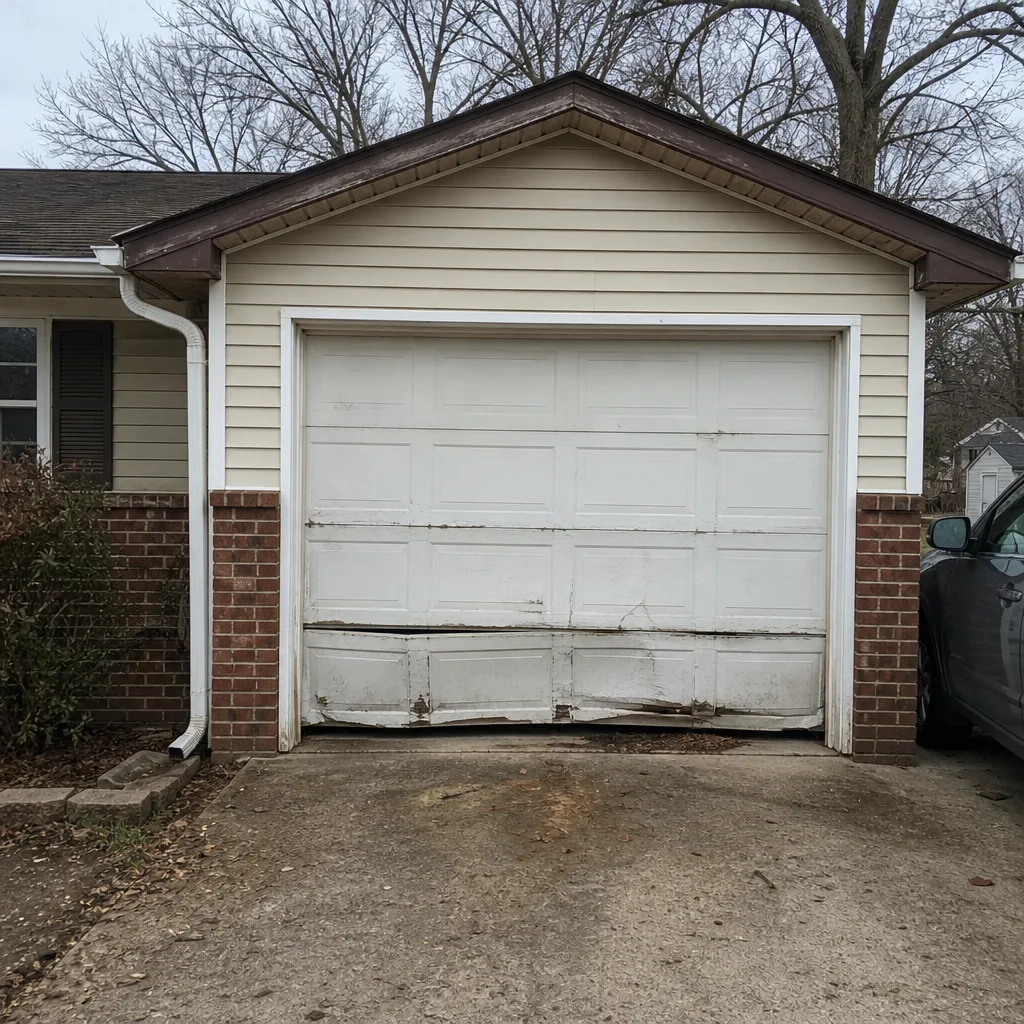 Before
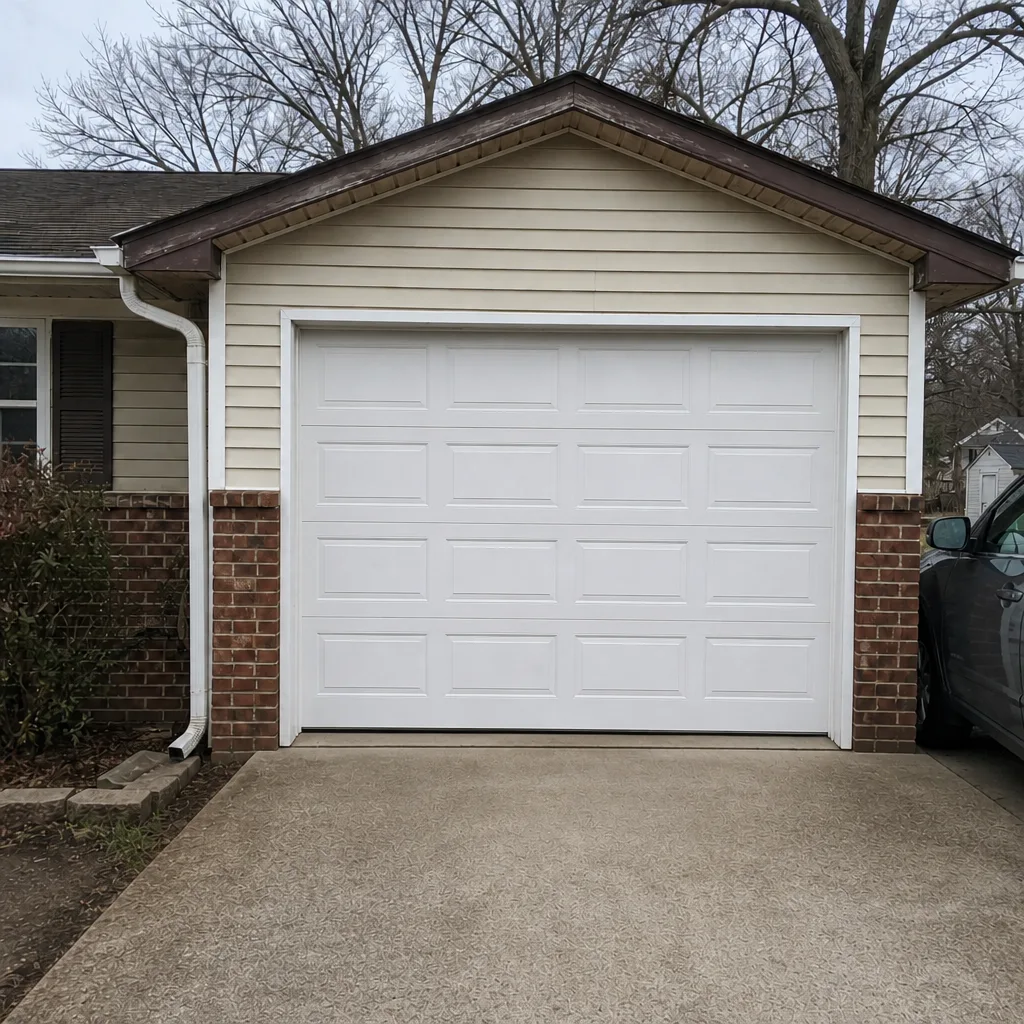 After
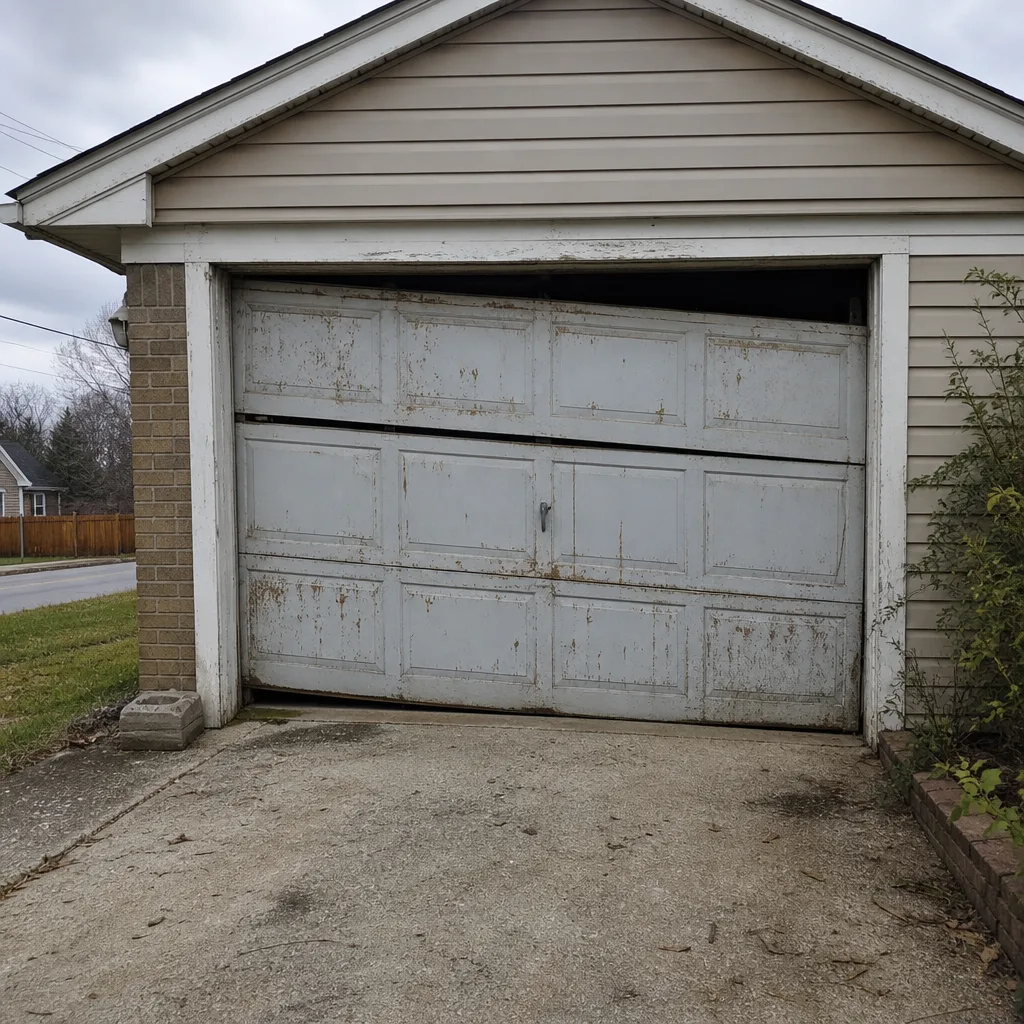 Before
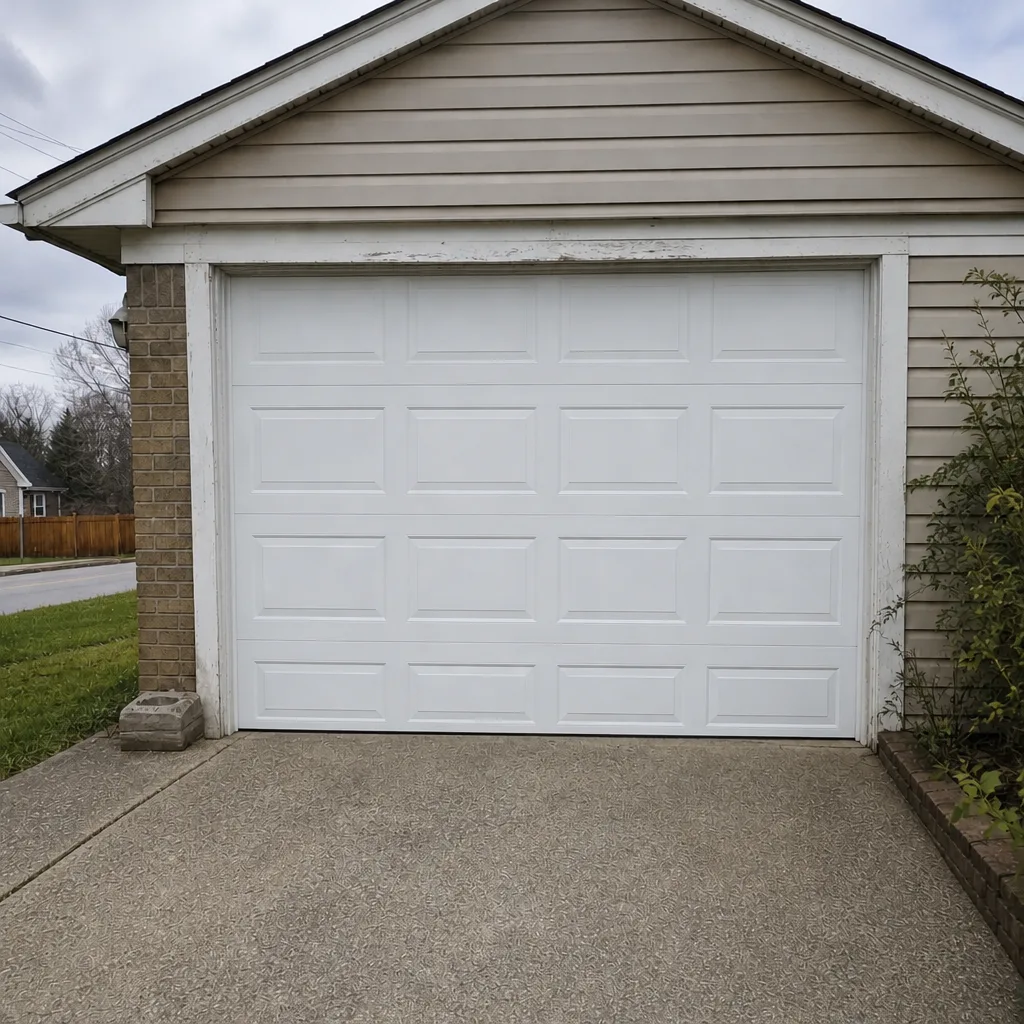 After
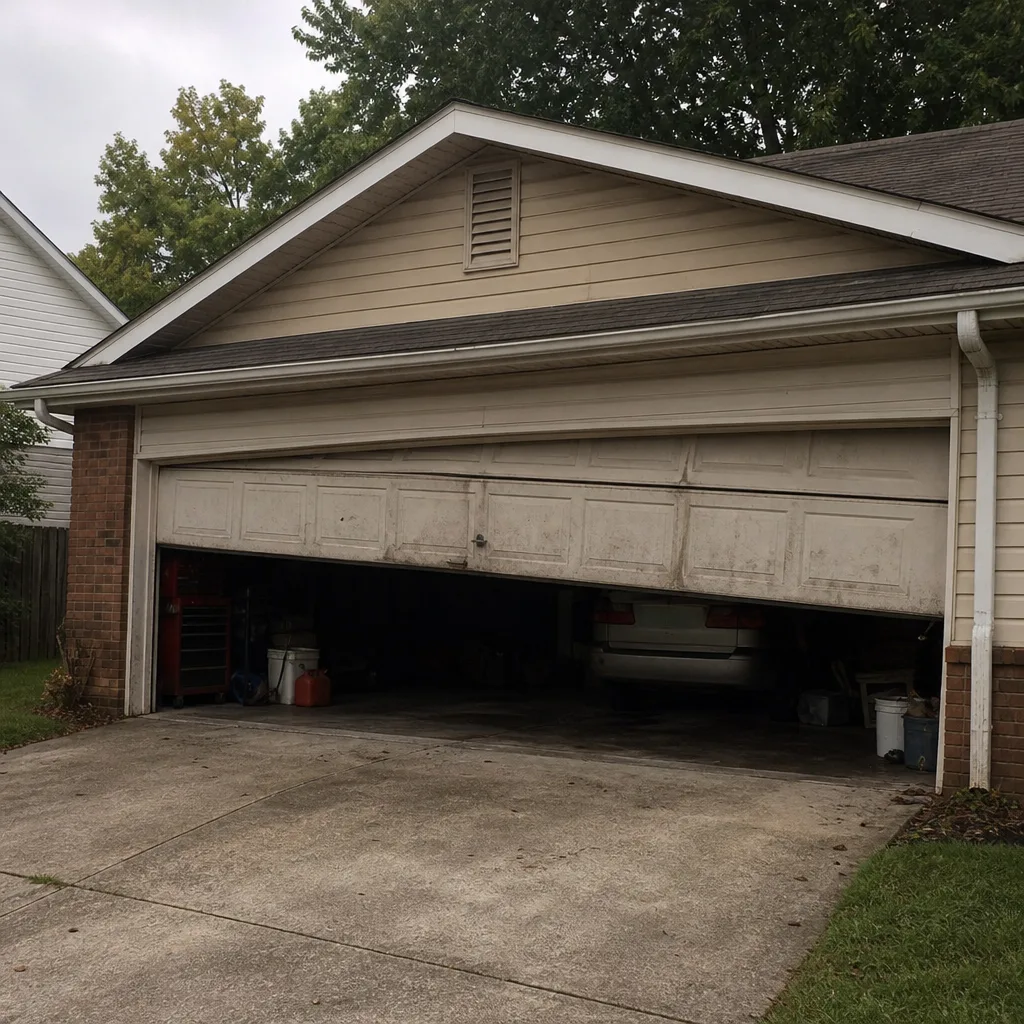 Before
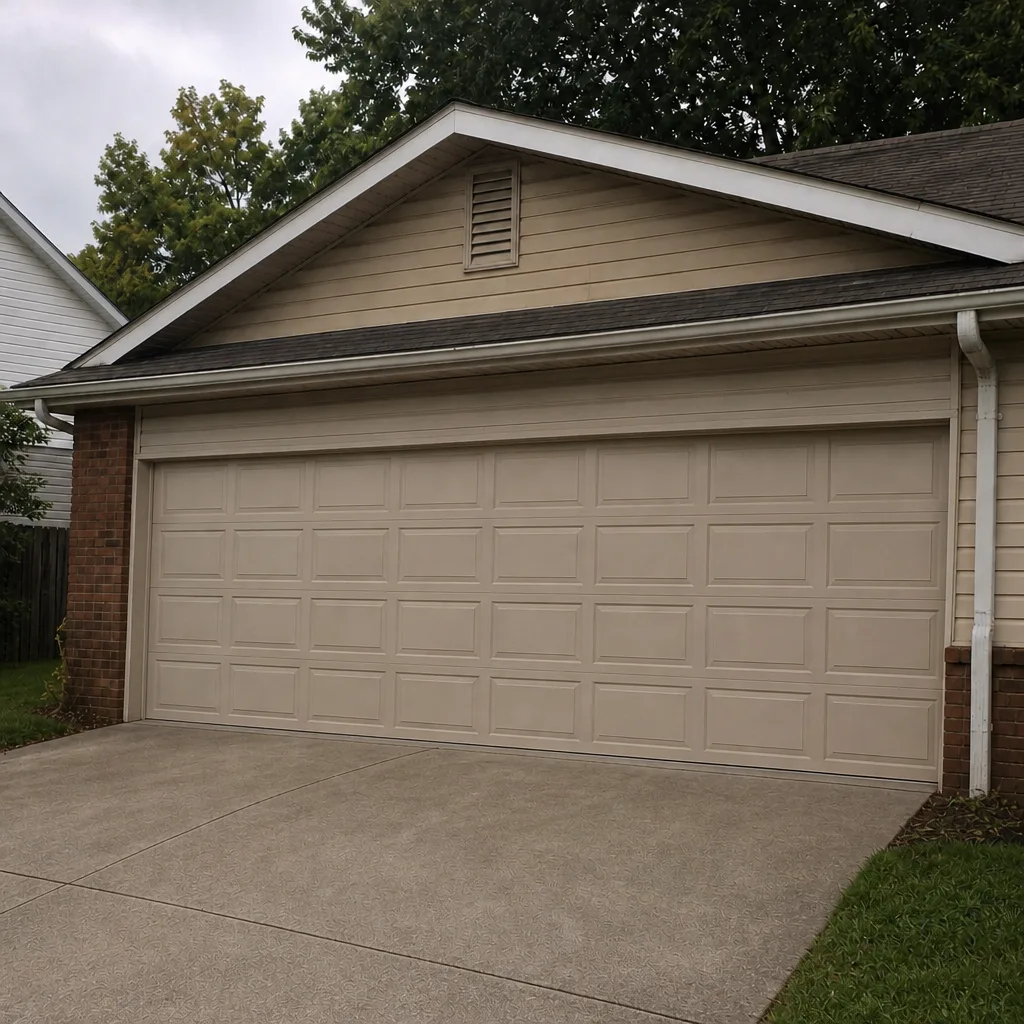 After
Common Mistakes to Avoid
- Skipping the spring check because the door still opens. A door can open on a weak or partly broken spring for a while, and then fail suddenly. Look at it every spring even when it seems fine.
- Adjusting the opener’s force settings instead of fixing the door. Turning up force to compensate for a heavy door wears the motor down and hides a balance or spring problem.
- Using WD-40 or general household oil on hinges and rollers. Those products attract grit and dry out. Use a garage-door-specific lubricant.
- Lubricating in summer and assuming it lasts. The pre-freeze lubrication in the fall is what protects the door through winter. Do it before the first cold spell, not after.
- Ignoring weatherstripping that’s peeling at the corners. A lifted seal lets in summer humidity and winter draft, and the fix is small if you catch it early. Knoxville’s humidity makes this more likely than most people expect.
- Forgetting the balance test. It takes five minutes and predicts much of the wear you’d otherwise find out about the hard way. Run it every spring and fall.
- Assuming the door and opener are separate problems. They’re one system. A technician who can diagnose both together saves you a service call and a guess.
When to Call a Professional
Some tasks you can handle yourself with a rag, a wrench, and a lubricant. Others call for a trained technician with the right tools and the training to do it safely. Call a professional when any of these are true:
- A spring has snapped, or you can see a gap or separation in the coils.
- The door fails the balance test, drops on its own, or is hard to lift by hand.
- A cable is frayed, loose, or has come off the drum.
- The door won’t open or close at all, or reverses on its own.
- The opener is straining, beeping, or stopping mid-cycle in cold weather.
- A wood panel has swollen enough that the door rubs, or the frame isn’t square.
We handle both halves of that list, door hardware and opener, so you’re not left to sort out which contractor to call. Easton Garage Door Service offers free estimates in Knoxville; call (855) 965-2742. We answer 24/7. Fast dispatch from 7am to 7pm, Sunday through Friday. Estimates are free, the price is quoted and agreed before any work starts, and you’ll know what the job costs before anyone touches the door.
Frequently Asked Questions
Twice a year for the full inspection and lubrication, in spring and in fall, with lighter checks in the summer and winter. The fall lubrication before the first freeze and the spring safety check are the two that matter most. That schedule follows the seasonal wear pattern this region actually produces.
Springs break more in spring because winter’s hundreds of cold cycles plus the fast temperature swings of early spring fatigue the metal at its weakest point. The steel expands and contracts as days warm and nights cool, and a worn coil or corrosion pit lets go. If you hear a sharp bang from the garage, stop using the door and call for service.
No, and we’d advise against it. Torsion springs store enough energy to cause serious injury, and the winding tools and training are things a technician brings. Spring and cable work is the most dangerous part of any door. Have a trained professional handle it, and get the written estimate first.
It can struggle on sub-20°F mornings if its force and sensitivity settings aren’t right. Cold thickens lubricants and contracts metal, so the door is heavier and the opener works harder. Adjust the settings in fall, test the door’s balance, and if the opener strains or reverses on its own in cold weather, have it checked.
High summer humidity makes wood panels absorb moisture, swell, and push against the frame, so the door starts rubbing where it used to open cleanly. Repeated swelling and drying splits the finish. If you have a wood door, keep the finish sound and watch the bottom section, where moisture collects. Composite and steel doors resist this better.
The balance test. It takes about five minutes with the opener disengaged and tells you whether the springs are carrying the door’s weight correctly. An unbalanced door wears the springs, rollers, and opener faster, and it’s the early sign behind a large share of future service calls.
Not usually. Seasonal maintenance like lubrication, weatherstripping checks, and balance testing can be scheduled when it suits you. When a spring snaps or a door stops working, that’s when to call for prompt service. Call (855) 965-2742 for an exact quote; estimates are free.
The Bottom Line
Garage door care in Knoxville isn’t a single annual task; it’s a four-season rhythm that follows what East Tennessee weather actually does. Springs are most likely to snap in spring after a cold, cycling winter. Summer humidity swells wood and lifts weatherstripping. Fall is your window to lubricate before the freeze. Winter is when openers struggle below 20°F and force settings matter. And the balance test, run twice a year, catches most of the wear before it turns into a failure. None of this needs to be complicated. Match the task to the season, know your limits on springs and cables, and call a specialist when something sounds wrong.
The door you depend on every day deserves a specialist, not a generalist. If you’d rather have someone experienced walk through it with you, Easton Garage Door Service is ready to help. Call (855) 965-2742 for a free estimate. We answer 24/7. Fast dispatch from 7am to 7pm, Sunday through Friday. We work on the brand you already have, diagnose your opener correctly the first time, and repair when repair makes sense. For homeowners in Knoxville, that’s the straightforward way to keep a door working through every season.
Written by the team at Easton Garage Door Service.