
Last updated November 15, 2026
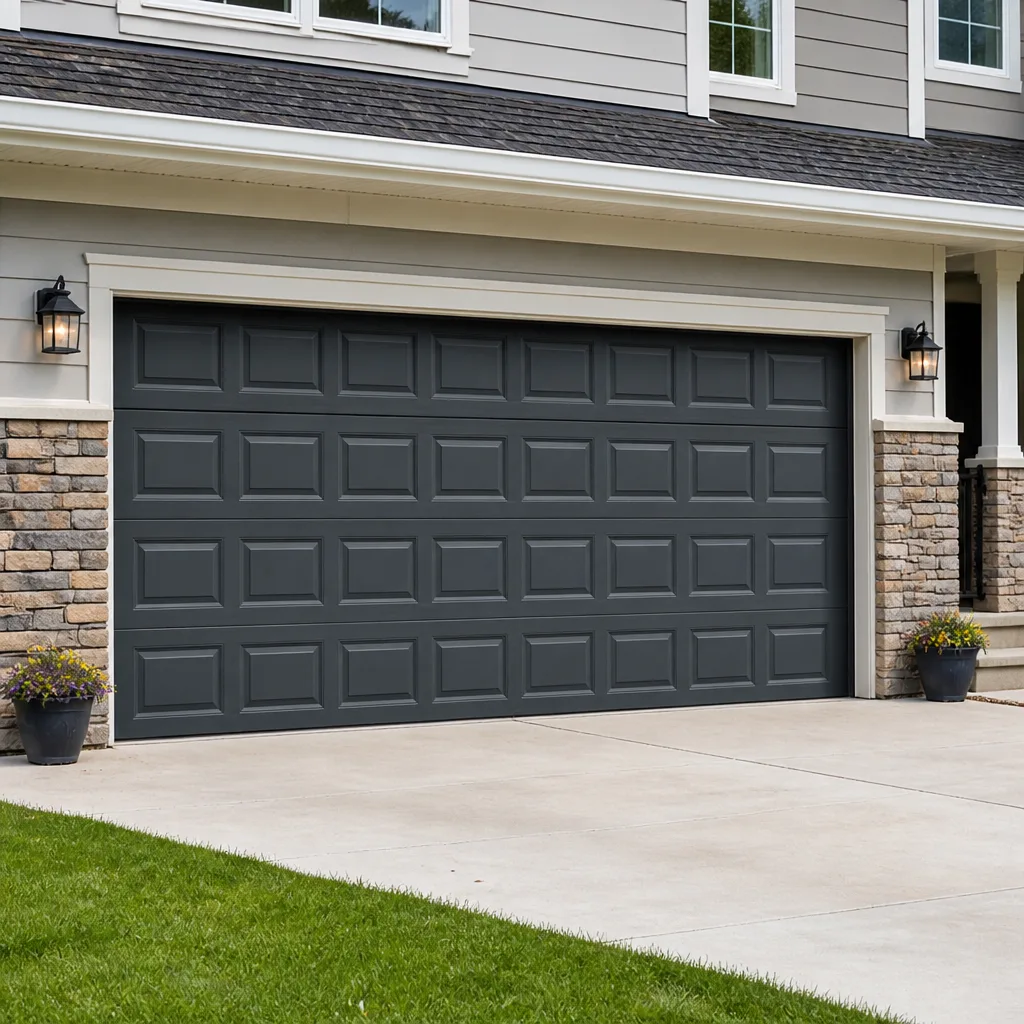 Raised-panel steel
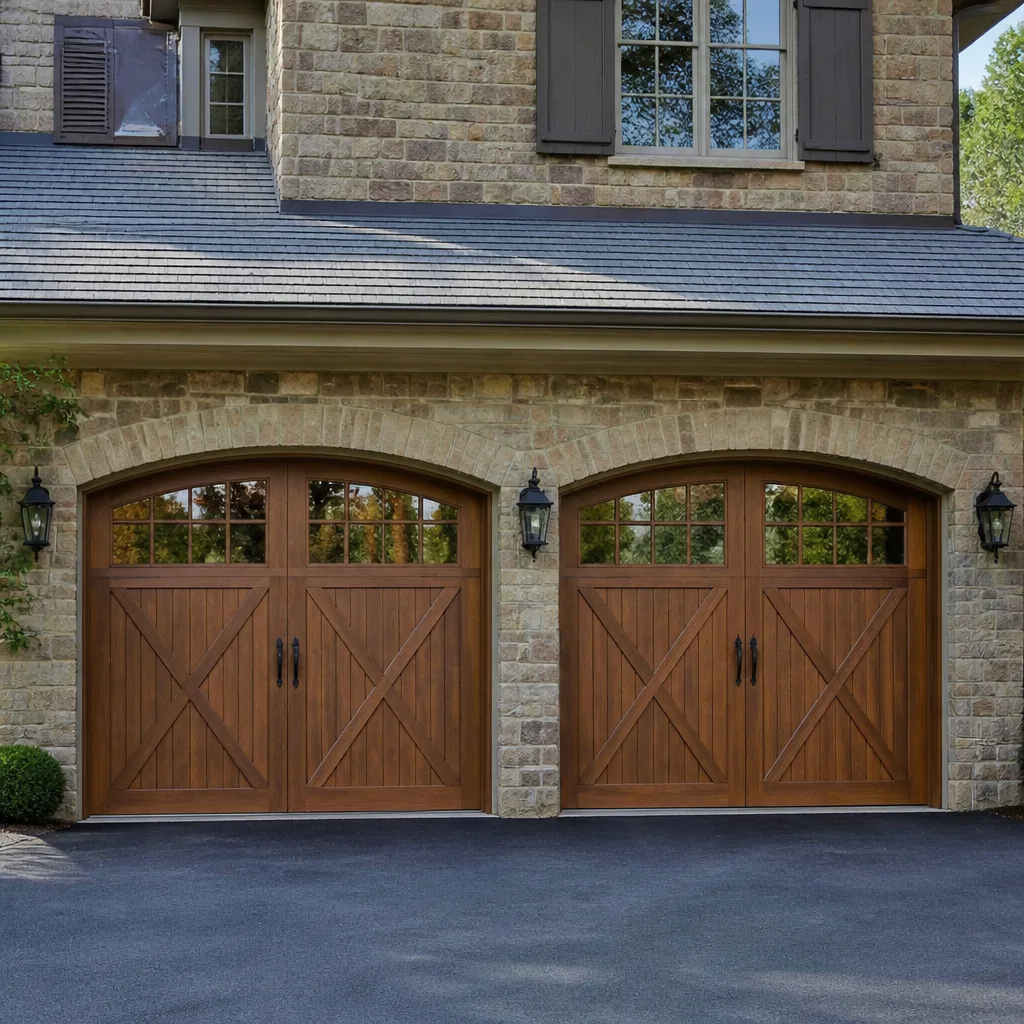 Carriage house
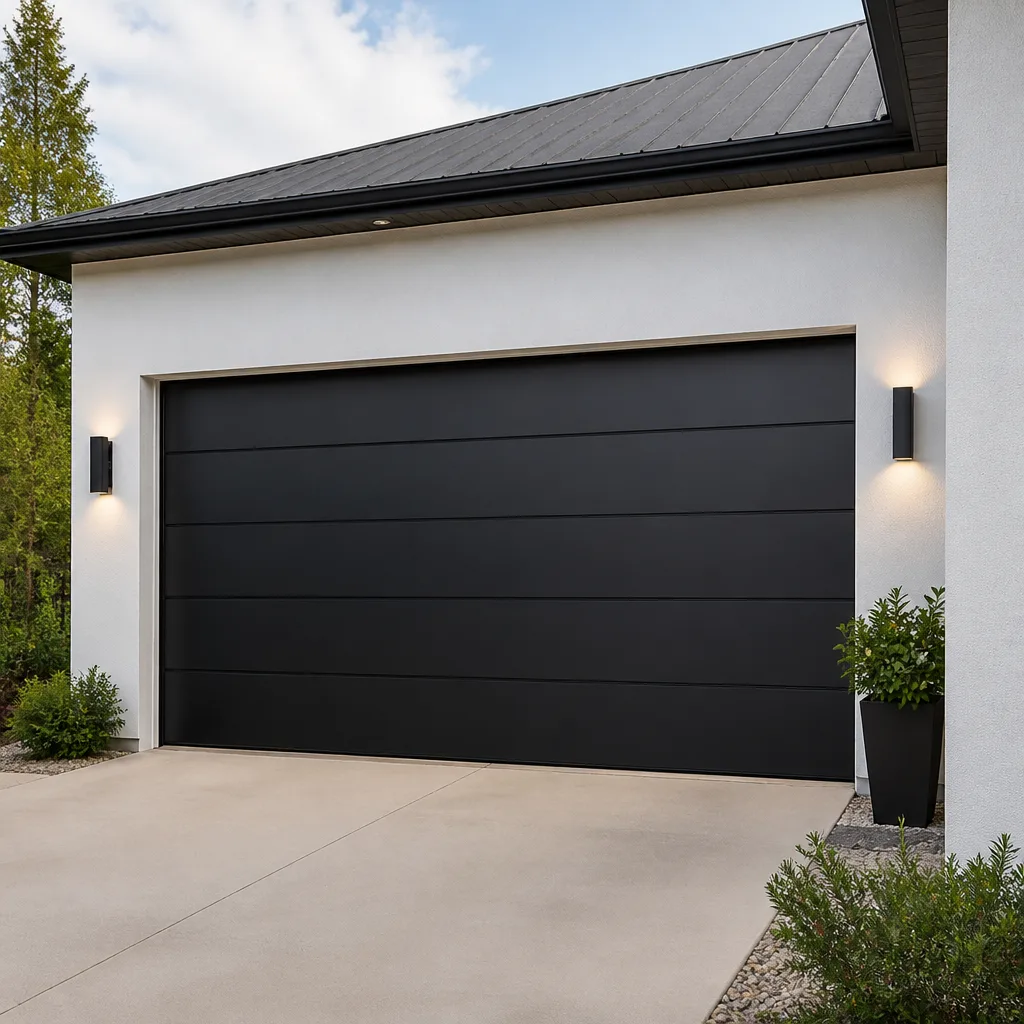 Modern flush
 Full-view glass
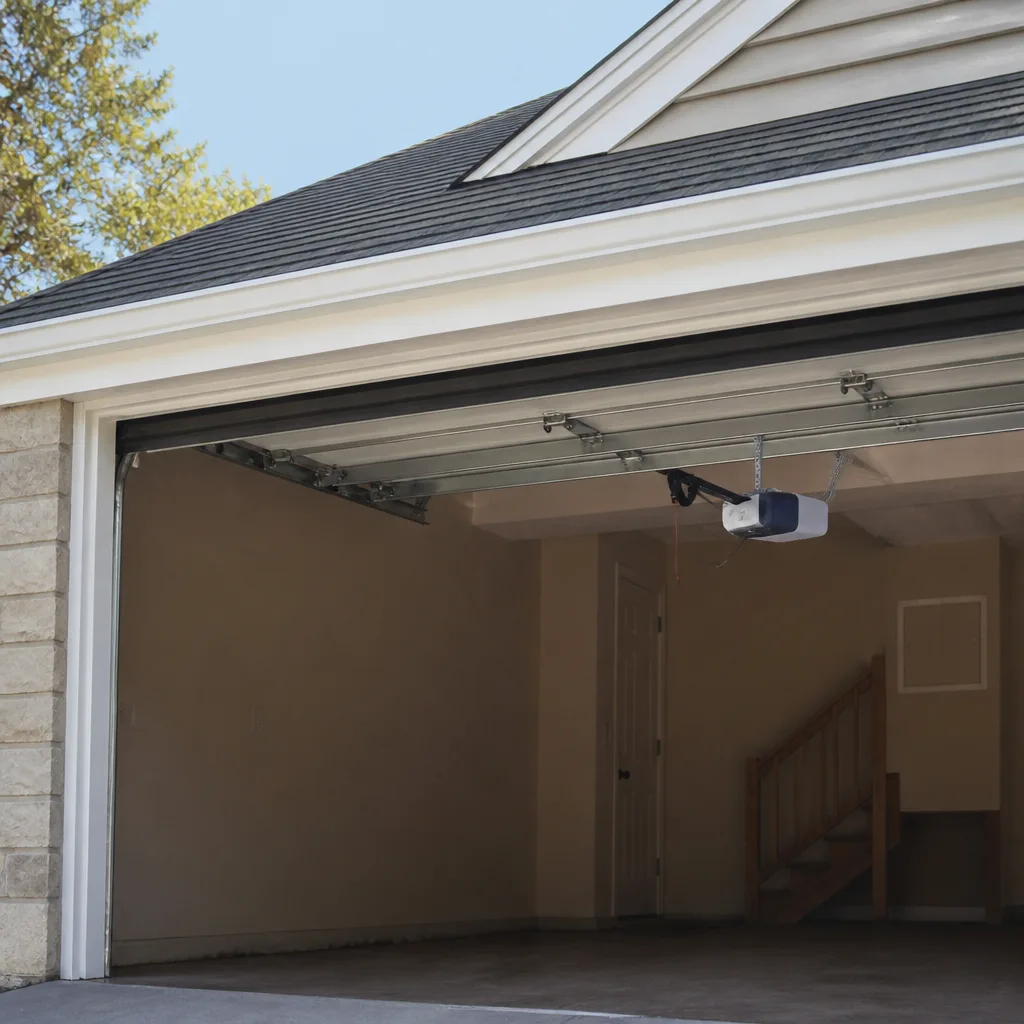 LiftMaster openers
 Chamberlain openers
Full 25-point door and opener safety check with every visit - springs, cables, rollers, tracks, and your LiftMaster or Chamberlain opener included
You get a price before we start. It does not change when the pro arrives.
Get your free estimateGarage Door Warning Signs: A Knoxville Homeowner’s Reference Guide
Most garage doors in Knoxville don’t fail without warning. They fail after months of small complaints their owners learned to live with. The rattle that showed up last spring. The half-second pause before the door starts moving. The grinding note you only hear when the house is quiet. None of these are personality quirks, and none of them are just “what older doors do.” Each one points at a specific part, and the sooner you identify that part, the cheaper the repair usually is. This guide is a symptom-to-cause reference built for Knoxville homeowners: what the noise means, what the behavior means, what you can safely check from the floor, and when to stop using the door instead of testing your luck.
Quick Answer
A garage door that grinds, squeals, pops, hesitates, lifts unevenly, or reverses mid-travel is telling you a specific component is wearing or failing. Rattling usually points to loose hardware, squealing to dry or worn rollers, popping to a spring or cable under stress, and hesitation to a strained opener or binding track. Any sign involving a broken spring, a frayed cable, or a door that reverses without obstruction means stop using the door and get it looked at before someone is hurt.
Styles & brands we work with
- Raised-panel steel
- Carriage house
- Modern flush
- Full-view glass
- LiftMaster openers
- Chamberlain openers
Table of Contents
- Why Garage Door Problems Announce Themselves Early
- What Each Noise Is Telling You: A Sound-to-Cause Reference
- Visual Signs You Can Spot From the Floor Without Touching Anything
- Behavioral Signs: Hesitation, Reversing, and Uneven Lift
- Schedule Maintenance vs. Stop Using the Door Right Now
- How Knoxville Weather and Housing Shape Garage Door Wear
- How to Describe What You’re Seeing So the Diagnostic Call Is Faster
- What You Can Safely Check Yourself
Why Garage Door Problems Announce Themselves Early
A garage door is a balanced machine. The springs carry most of the door’s weight so the opener only has to start and guide it. When any part of that balance drifts, the whole system compensates, and compensation is what you hear and see before anything actually breaks. A roller that has lost its bearing spins harder and drags. A spring that has weakened forces the opener to work longer. A hinge that has loosened lets the track vibrate slightly with every pass. None of that is dramatic. All of it is readable.
The reason so many failures surprise people is that garage doors are used in a context nobody thinks about: you press a button, you drive away, you come home. You hear the door for four seconds at a time. You don’t stand next to it for a full cycle while it runs. That’s the single biggest reason small problems become large ones. The door is quietly telling you something every single time you use it, and the average homeowner isn’t listening.
In Knoxville, there’s another layer. Our summers bring long stretches of high humidity, and our springs, rollers, and hinges are all steel. Steel plus humidity equals surface corrosion, which changes friction and shortens the life of anything that spins. We see doors in Halls and Powell that have been functional for years but have developed a distinct grinding on the first few feet of travel because a roller or hinge has stiffened. It’s not a failure yet. It’s a countdown.
What follows is a reference guide, not a repair manual. Read the symptoms, match them against what you’re hearing or seeing, and use the severity guide to decide whether it’s time to book garage door repair or time to stop the door and call today. A trained technician sees the door and trailer system as one machine, which is where accurate diagnosing starts.
What Each Noise Is Telling You: A Sound-to-Cause Reference
Noises are the most honest diagnostic signal a garage door gives. A door that sounds different this week than it did last month is a door that has changed something. Here’s how to translate the sound.
Grinding
Grinding almost always involves metal on metal. The most common causes are worn roller bearings, a dry hinge, or a track that has shifted so the rollers ride against the edge instead of the channel. If the grinding is at the start of the opening cycle and fades, suspect stiffened bearings. If it’s constant and gets louder as the door rises, suspect the track.
Squealing
Squealing is dry or worn rollers, and occasionally a torsion tube or spring that has lost its lubrication. This is usually the cheapest sound to fix. It’s also the sound that gets ignored the longest, because doors still open fine with a bad roller. The problem is that the roller is wearing out faster every cycle, and the friction transfers heat and load to the opener.
Popping
A single sharp pop when the door starts to open is worth taking seriously. It could be a hinge that has begun to separate, a torsion spring approaching the end of its rated cycle life, or a cable that has jumped a drum. Popping is a stop-and-look sound. Don’t repeatedly cycle the door hoping it will clear itself.
Rattling
Rattling is loose hardware. Hinges, brackets, and the bolts that hold the door panels together all loosen over time because the door vibrates with every operation. Rattling by itself is usually not dangerous, but the looseness that causes it means the door is flexing more than it should, which stresses panels and hinges in turn.
Banging or Slamming
A door that bangs when it reaches the floor, or slams at the very top of travel, has a limit problem or a balance problem. The opener is running the door into the stop instead of easing it. This is a sign that the openers stop settings have drifted or that the springs have weakened and the operator’s force settings are compensating. That’s a call to a technician, not a Saturday project.
Visual Signs You Can Spot From the Floor Without Touching Anything
You don’t need to climb anything and you don’t need to touch any moving part to gather useful information. Stand back from the door, open and close it once from a safe distance, and look. Here are the visual signs that are safe to check and worth reporting.
Springs
Look at the springs above the door. A torsion spring runs horizontally along a shaft; extension springs run along the sides above the horizontal tracks. A spring that has broken usually shows a visible gap of two or three inches, and the door will feel much heavier than normal or refuse to rise. Never touch a spring or attempt to test it by hand. Torsion springs are under heavy tension at all times, and a spring that lets go can cause severe injury. If you see a visible gap or the door suddenly gets impossible to lift, stop using the door and call.
Cables
The two lift cables run alongside the door, from the bottom corners up to the drums. A healthy cable is taut and lies neatly on its drum. A cable that looks slack, shows frayed strands, or has worked its way off the drum is a stop-use situation. Frayed cables snap without much warning.
Rollers
Rollers are visible along the edges of the door where they ride the track. A healthy roller looks round and sits centered in the track. A cracked, flattened, or missing roller is easy to spot and usually explains a grinding or shimmy.
Track Alignment
Stand to the side and look at where the vertical track meets the horizontal track. A visible bend, dent, or gap at the curve is a common cause of a door that catches mid-travel. Track damage isn’t something to bend back with a pry bar, because a track that’s out by half an inch in the wrong direction will cause the door to load the opener incorrectly.
Panel Condition
Look at the door panels for cracks, separation at the seams, or rust working through the metal. Panels that have started to separate at a seam are more common on older Clopay and Amarr doors and are usually visible from a few feet away. A sagging or bowed top panel often points to a balance issue rather than a panel issue, which is worth knowing before you ask for a new door.
Behavioral Signs: Hesitation, Reversing, and Uneven Lift
A door that stops behaving the way it used to is usually easier to describe than a noise, and just as diagnostic. Here’s how to map the behavior to its most likely cause. If the opener itself is the thing acting up, that’s where a focused garage door opener repair call comes in, because the opener is a separate system from the door’s springs and tracks.
Hesitation at the Start
If the door pauses a moment before moving, then catches up, the opener is working harder than it should. That’s often a sign of weakened springs. As the springs lose tension, the opener has to lift more of the door’s weight until its internal force-monitoring trips. On modern LiftMaster and Chamberlain units, hesitation that becomes a full stop is often the opener correctly refusing to force a door that isn’t balanced anymore.
Reversing Mid-Travel
A door that starts down, then reverses on its own, has triggered its safety system. The two most common causes are an obstruction (something in the path of the photo eye beam) or a door that has begun to bind in the track. Modern openers from Genie and Chamberlain have sophisticated reversal logic, and they’re usually right to reverse. Don’t assume the opener is at fault. Check that the beam path is clear and clean, then look at the track and rollers.
Uneven Lift
If one side of the door rises higher than the other, or the door tilts going up, it’s almost always one of four things: a stretched or broken cable, a weakened spring on one side (on doors with two springs), a binding roller, or a track that has shifted. Uneven lift is the most common sign we see on doors in Knoxville where the homeowner has adjusted the opener’s force setting to compensate instead of fixing the underlying balance.
Slowing Down Over Time
A door that takes a second or two longer to open than it did six months ago isn’t aging gracefully. The most common causes are springs that have lost tension and rollers that have stiffened. It’s worth noting this is the sign homeowners most often mention after they’ve already booked a technician for a much larger problem.
Bouncing Off the Floor
A door that touches the floor and bounces, or that only closes completely when you hold the button, has a limit setting problem or an obstruction on the floor. It’s not dangerous by itself, but it loads the door structure and the opener every cycle.
Schedule Maintenance vs. Stop Using the Door Right Now
This is the single most useful distinction in the guide. Some warning signs mean book an appointment. Others mean stop using the door and call today. Here’s the split.
Schedule Maintenance (Use the Door Sparingly Until Then)
- Grinding or squealing that comes and goes
- Rattling from the door hardware
- A door that takes noticeably longer than it used to
- Minor rust spotting on panels
- Opener remote or wall button that works intermittently
- One roller that visibly looks cracked or flat
Stop Using the Door Right Now
- A visible gap in a torsion spring, or a door that suddenly won’t lift
- A lift cable that’s slack, frayed, or off its drum
- A loud pop followed by a door that won’t move or moves unevenly
- A door that reverses on every close, even with nothing in the beam path
- A door that closes unevenly or in a tilted position
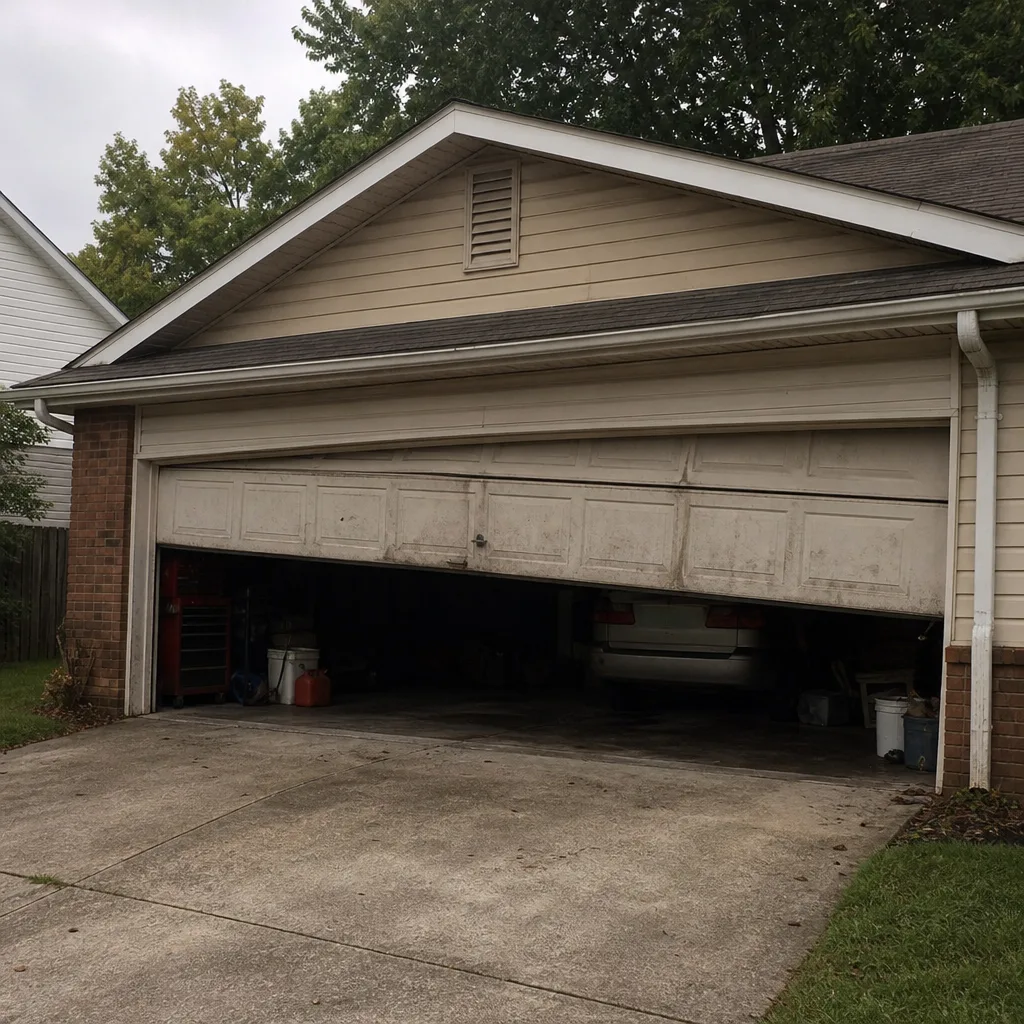
- Panels that have visibly separated or started to sag
- Any part of the track that has bent enough to catch a roller
Never attempt to repair a broken spring, a frayed cable, or a failed opener connection yourself. These are the parts of the garage door system that injure people every year. A broken torsion spring under tension is a genuinely dangerous component, and the correct move is to stop the door, leave it alone, and call a professional. The same goes for the electrical and low-voltage connections inside an opener.
How Knoxville Weather and Housing Shape Garage Door Wear
Garage doors don’t wear evenly across the country. In Knoxville, we see particular patterns tied to the climate and the housing stock, and knowing them helps you know what to watch for on your own door.
Humidity and spring life. Knoxville’s spring and summer bring sustained humidity, and that humidity works on the steel parts of every garage door. Springs are rated in cycles, and humidity alone doesn’t change the rating, but surface corrosion changes the friction on every moving part around the spring. Rollers and hinges suffer first. It’s not unusual to see a door that only gets used twice a day developing stiff rollers well before its cycle count would suggest.
Temperature swings and panel stress. The transition between warm and cold months puts stress on the panels, particularly on doors with wood-grain embossed steel. Panel separation at seams often starts in this window. If you’ve noticed a hairline gap opening up at a seam on an older door, it’s worth noting before it gets wider.
Housing stock variety. Knoxville’s neighborhoods range from older homes with narrower single-car openings to newer construction with wide two-car doors and high-lift tracks. Both styles of door have different spring systems, and a homeowner who has just moved into a different style of house often brings expectations from the last door. If you’ve recently moved into a home in Bearden or Farragut with a different door type than you’re used to, the way the door sounds may simply reflect a different spring setup, not a problem.
Seasonal pollen and debris. East Tennessee’s pollen and leaf seasons clog the photo eye lenses more than people expect. A door that reverses for no obvious reason in spring is often a dirty beam, not a malfunction.
If you’re not sure whether what you’re seeing is a Knoxville-specific wear pattern or a genuine issue, our team at Easton Garage Door Service is glad to look at it. Our technicians have up to 11 years of experience, and we work across eight major brands, including LiftMaster, Chamberlain, Genie, and Clopay, so we can diagnose whatever you already have installed. For a fuller view of the Knoxville garage door scene and the kinds of repairs we handle, that’s where to start.
How to Describe What You’re Seeing So the Diagnostic Call Is Faster
The clearer the description you give, the faster a technician can diagnose the problem and the fewer trips it takes to fix it. A vague “my door isn’t working right” costs you time on the phone and can cost you a second visit. Here’s how to gather the information you need before you call.
- Note the exact sound and when it happens. “Grinding at the start of the open cycle, fades after about two feet” is far more useful than “it’s noisy.” Note whether the sound happens when opening, closing, or both.
- Note the exact behavior. Does the door hesitate? Reverse? Lift unevenly? Stop at a particular height? Note whether the problem is intermittent or consistent.
- Check the safety sensors. Look at the two small photo eyes near the floor at each side of the door. If the lenses are dirty, wipe them clean with a soft cloth and see if the door behaves. This one check resolves a surprising number of “my door is malfunctioning” calls.
- Look without touching. Note the visible condition of the springs, cables, rollers, and track. Take a photo from a safe position, especially of anything that looks visibly bent or separated.
- Make a note of the door and opener brand. This matters because the diagnosis differs slightly by brand. Clopay and Amarr doors have their own spring and hinge layouts; LiftMaster, Chamberlain, Genie, and Craftsman openers each have their own force and limit settings.
- Note what’s changed recently. New weather seals, a fresh coat of paint on the tracks, a hard impact with a car bumper, or a power outage can all produce behavior changes that look like failures but aren’t.
When you call, describe what you’ve noted in plain language. A technician who works on the brand you already have and understands your door’s specific setup will get a running start on the diagnosis, often over the phone.
What You Can Safely Check Yourself
There’s a small set of checks you can do from the floor without putting your hands near anything that can hurt you. Here’s the list, along with the things you should never attempt.
Safe Checks
- Cleaning the photo eye lenses with a soft cloth
- Clearing everything out of the door’s path and the beam path
- Visually inspecting each panel for cracks, separation, or rust from the floor
- Looking at the springs and cables without touching them
- Checking that the track is clear of visible debris
- Testing the wall button and every remote to see if all of them are behaving consistently, or just one
- Listening to the door cycle from a safe distance and noting where the sound changes
Do Not Attempt
- Touching, testing, or adjusting a torsion spring or extension spring under any circumstances
- Cutting, adjusting, or re-routing a lift cable
- Bending a track back into position by hand or with a tool
- Adjusting the opener’s force or limit settings to compensate for a door that’s slowing down or reversing
- Opening the housing of any opener to look at the circuit board or motor, which can expose you to stored electrical charge
- Lubricating a spring or cable without knowing the correct product and method
If a safe check resolves the problem, great. If not, the call is the next step, not the pry bar.
Common Mistakes to Avoid
- Treating a new sound as the door’s “normal noise.” A door that has changed its sound in the last six months has changed something mechanical, and waiting for the noise to “settle down” usually means a bigger repair.
- Adjusting the opener’s force setting to compensate. Increasing the opener’s force may make the door move again, but it masks the underlying cause and stresses the opener itself. On a LiftMaster or Chamberlain unit, the force setting is a safety device, not a convenience.
- Greasing the springs and calling it maintenance. The wrong lubricant on the wrong part can attract dust and accelerate wear. Knowing which parts need lubrication and which don’t is one of the reasons a proper maintenance call is worth it.
- Using the door after a visible spring break or cable fray. A door with a broken spring is being lifted almost entirely by the opener, which is a recipe for burned-out motors and, worse, a door that falls.
- Assuming the opener is the problem when the door itself is failing. Many Knoxville openers are replaced when the underlying issue is a bent track or a weakened spring. Diagnosis before replacement is the cheaper path every time.
- Calling three different contractors for a single problem. When the door and the opener are treated as separate systems by separate technicians, it’s common for each to blame the other. One technician who handles both saves time and avoids that back-and-forth.
- Ignoring intermittent problems because “it works most of the time.” Intermittent hesitation or reversing is a door in transition. It will fail, and it will probably fail without further warning.
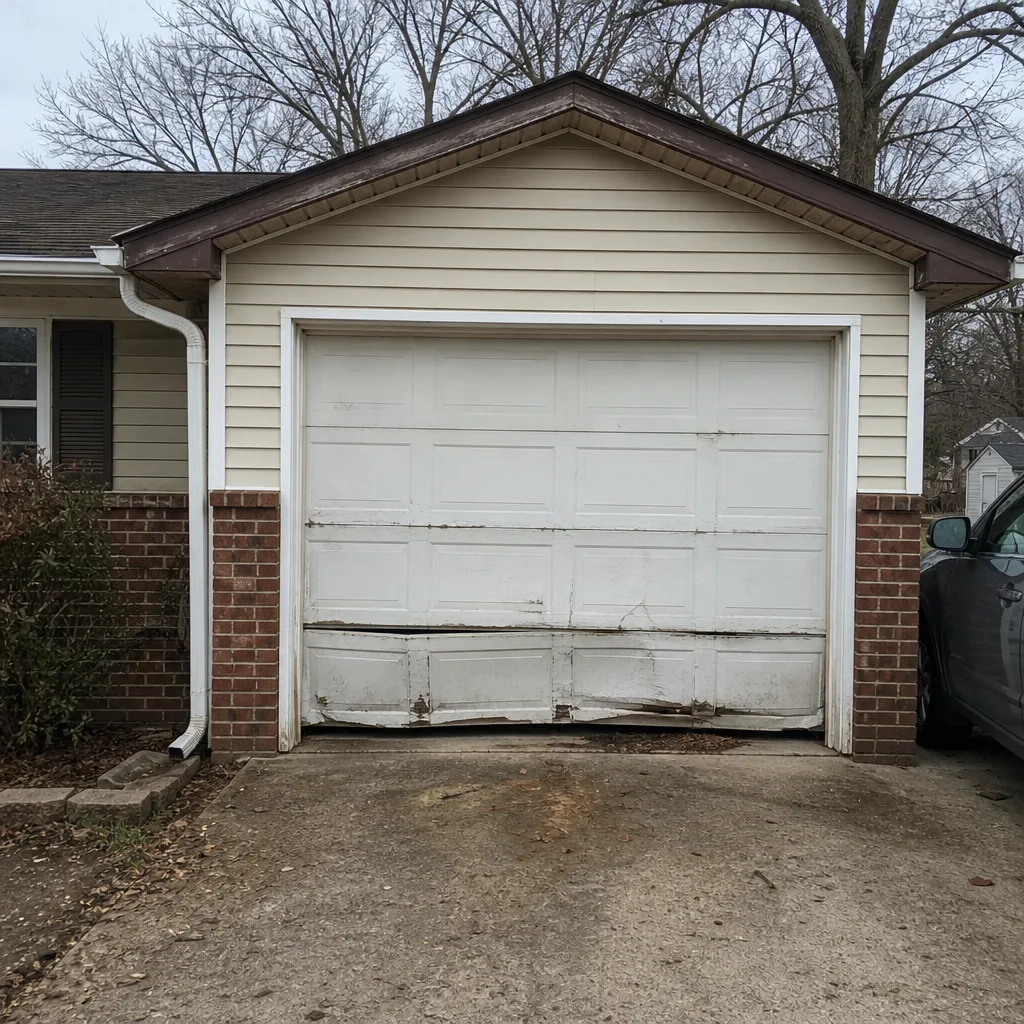
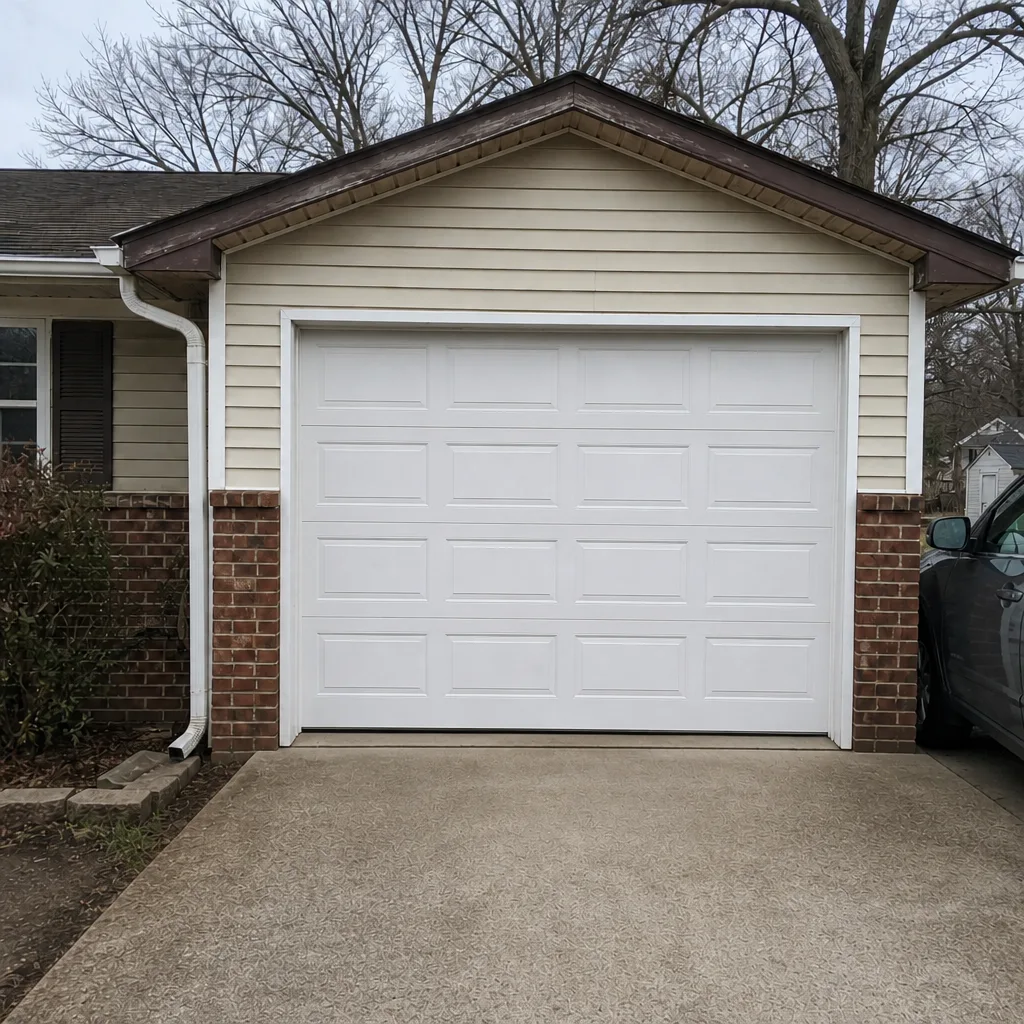
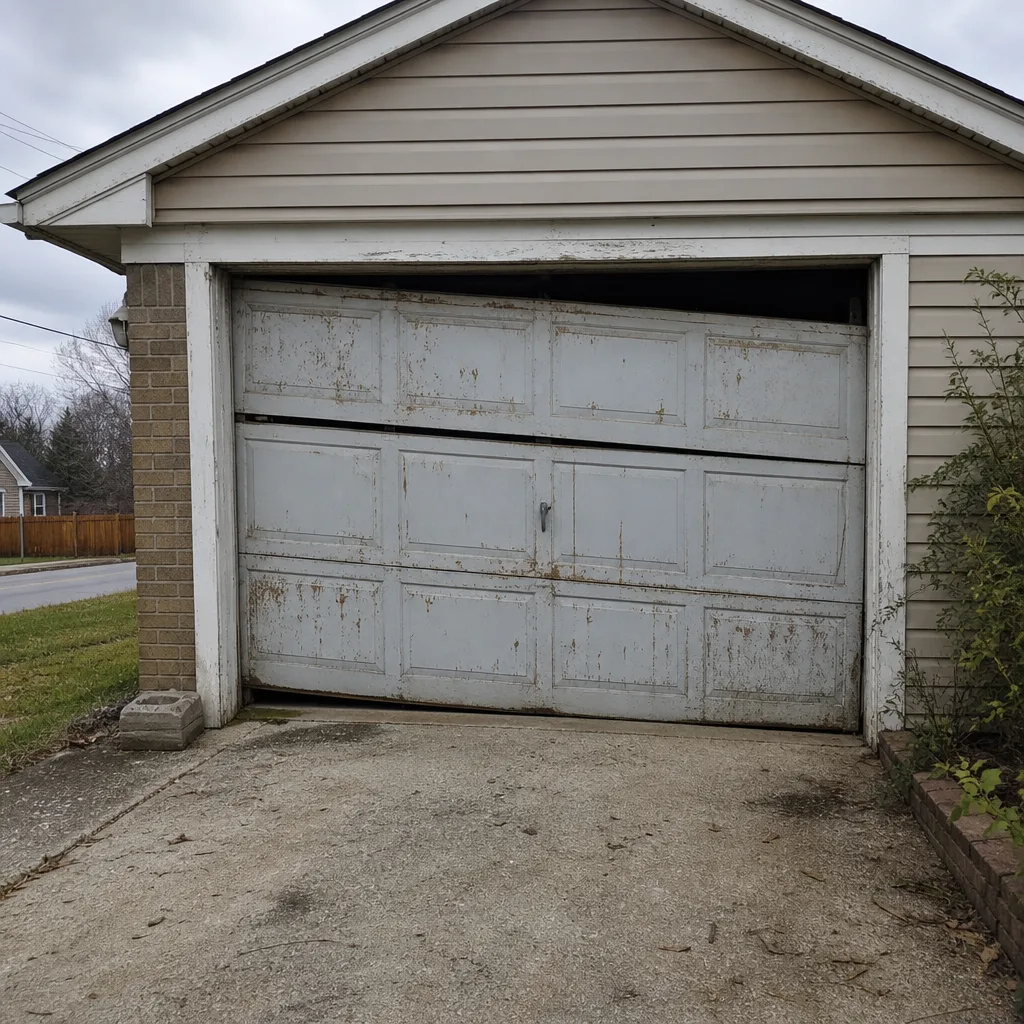
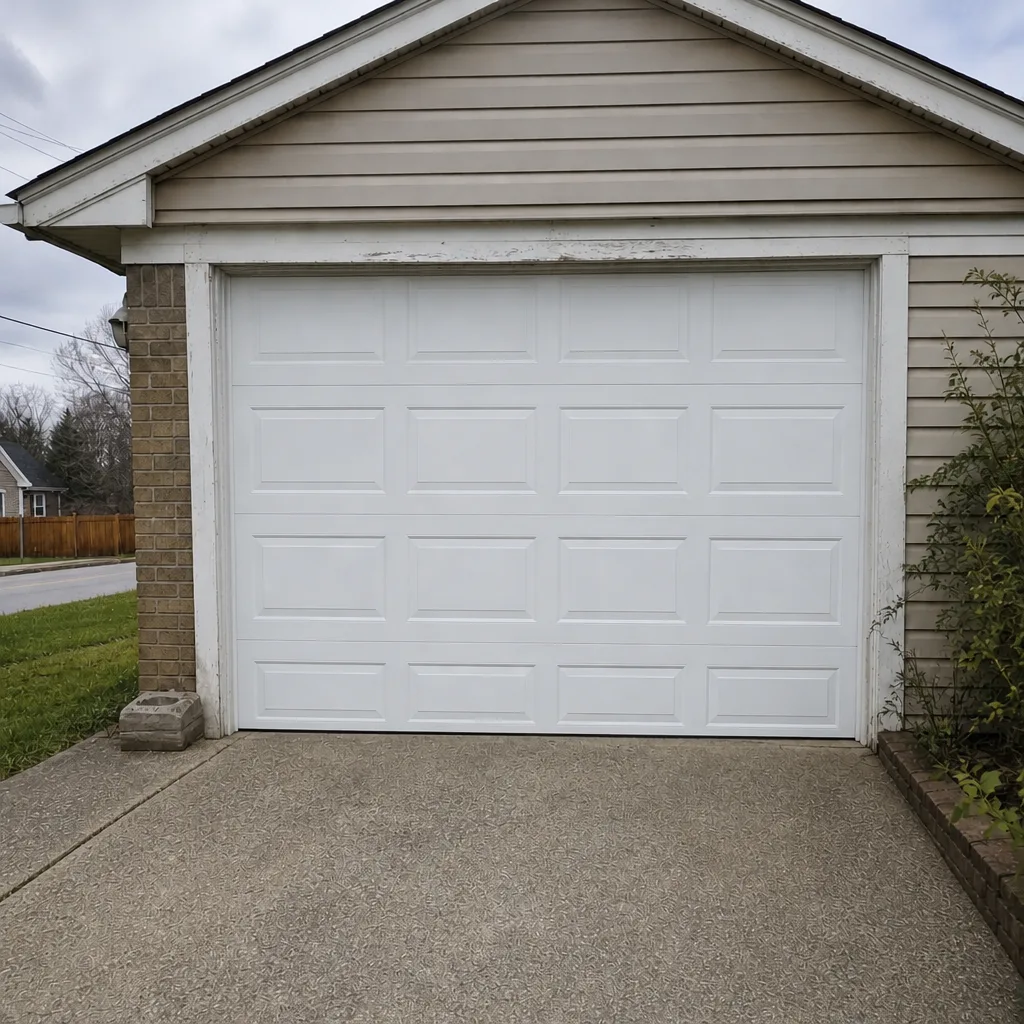
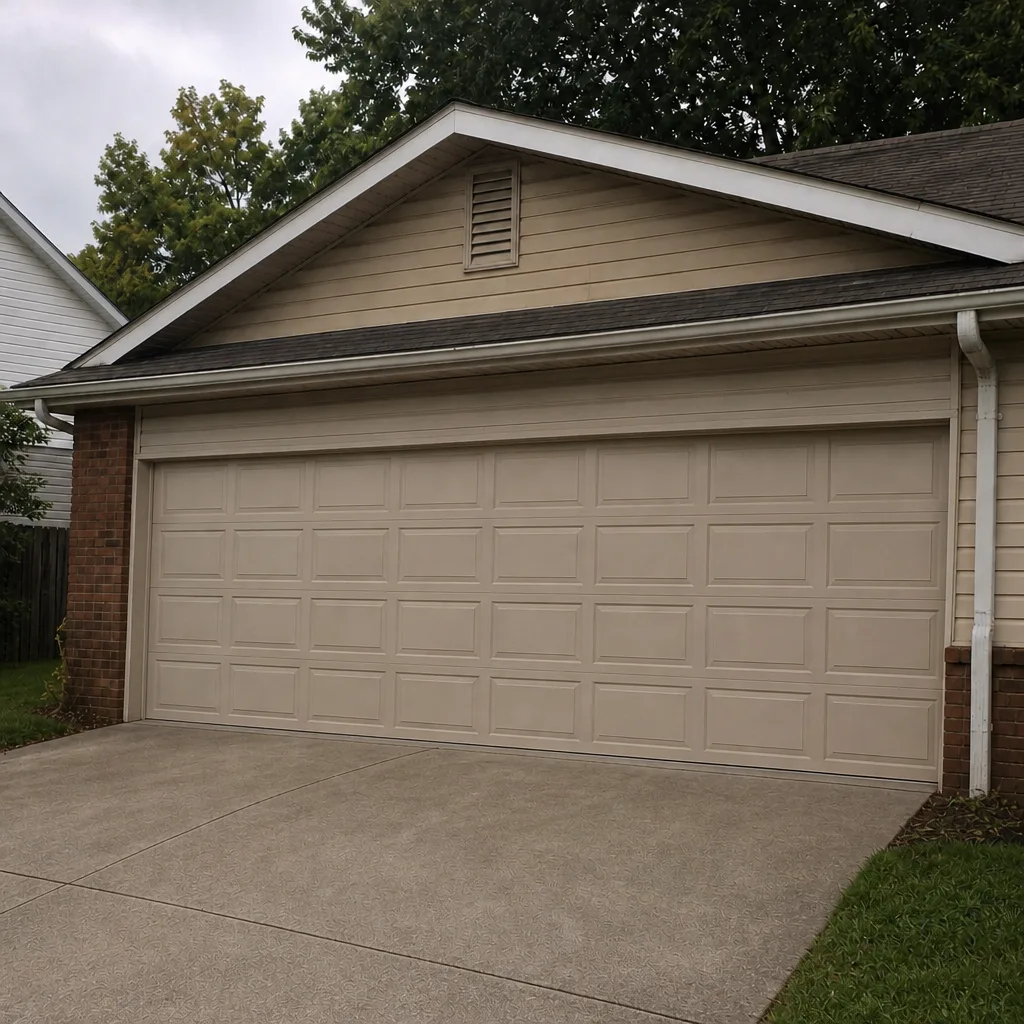
See the difference
 Before
 After
 Before
 After
 Before
 After
When to Call a Professional
Call a professional when the door is broken, when it’s behaving dangerously, or when you’ve completed the safe checks and something still doesn’t feel right. That means a visible gap in a spring, a door that reverses on every close, a cable that’s off its drum, a panel that has separated, a track that’s bent, or an opener that has stopped responding to every button and remote. It also means a door that’s slowed noticeably over a few months, even if it still works, because stiffness and hesitation are cheaper to fix early.
Easton Garage Door Service offers free estimates in Knoxville – call (855) 965-2742. We answer 24/7, with fast dispatch from 7am to 7pm, Sunday through Friday. Every price we quote is set in writing before any work starts, and our technicians have up to 11 years of experience diagnosing the door and the opener as one system.
Frequently Asked Questions
The most common warning sign is a door that has become noticeably slower or more hesitant than it used to be, often accompanied by a grinding or squealing noise. That combination usually points to weakened springs, stiffened rollers, or a binding track, and it shows up weeks before the door actually stops opening. Call (855) 965-2742 and we’ll help you figure out whether you need a maintenance visit or a repair. Estimates are free.
For a few cycles while you book a repair, yes, unless the door is also reversing, moving unevenly, or won’t lift. If any of those are true, stop using the door. A grinding noise alone usually indicates worn rollers or a track issue that will worsen with each use but isn’t immediately dangerous. Call (855) 965-2742 and we’ll get a technician out to look at it.
Torsion springs are under heavy tension and should never be touched, adjusted, or lubricated by a homeowner. The springs are the most dangerous component on the entire door, and the small benefit of a lubrication pass isn’t worth the risk of serious injury. A technician can lubricate the correct parts safely during a maintenance or repair visit. Call (855) 965-2742 for a free estimate.
A reversing door has triggered its safety system, most often because the photo eye beam is blocked, dirty, or misaligned, or because the door is binding in the track. Clean the lens at each photo eye, clear the beam path, and try a cycle. If it still reverses, the door is correctly telling you something is wrong with its travel. Call (855) 965-2742 to schedule a diagnostic visit.
We recommend an inspection once a year for most doors, and twice a year for doors in high-use homes or homes with older spring systems. Knoxville’s humidity shortens the life of rollers and hinges, so a spring check-in is worth doing before the heating season and again in spring. Call (855) 965-2742 to book an inspection.
Usually not. A door that barely moves with a working opener has almost always lost its balance: a broken spring, a stretched cable, or a severe roller or track issue. The opener is doing the duty of lifting a door it’s not designed to lift alone. This is a stop-use situation until a technician diagnoses it. Call (855) 965-2742 for a free estimate.
We can get close. We’re trained and experienced on eight major brands, including LiftMaster, Chamberlain, Genie, Clopay, Amarr, Wayne Dalton, Craftsman, and Raynor, and the warnings signs don’t vary much by brand. What varies is the specific part you’ll need and the way it’s installed. An accurate description over the phone shortens the diagnostic visit. Call (855) 965-2742 to walk through what you’re seeing.
No. We describe what we see and what it takes to fix it, and we don’t recommend a full replacement when a repair makes sense. A door with a single broken spring on an otherwise sound panel assembly needs a spring repair, not a new door. The written estimate shows exactly what we recommend and why. Call (855) 965-2742 for a free estimate.
The Bottom Line
A garage door’s failure is almost never a surprise. It’s a slow accumulation of small changes – a new sound, a slower start, an uneven lift – that most homeowners are conditioned to treat as normal. The counterintuitive move is to pay attention earlier than feels necessary. Treat each new noise and behavior as information, use the sound-to-cause and behavior-to-cause sections above to figure out what it’s telling you, and know the difference between “schedule a call” and “stop using the door now.” In Knoxville, humidity works against your rollers and springs, so seasonal checks pay off. When something doesn’t add up, stop guessing and call the team at Easton Garage Door Service at (855) 965-2742. We answer 24/7, with fast dispatch from 7am to 7pm, Sunday through Friday. Estimates are free, and the written price is set before any work starts.
Written by the team at Easton Garage Door Service.