
Last updated November 15, 2026
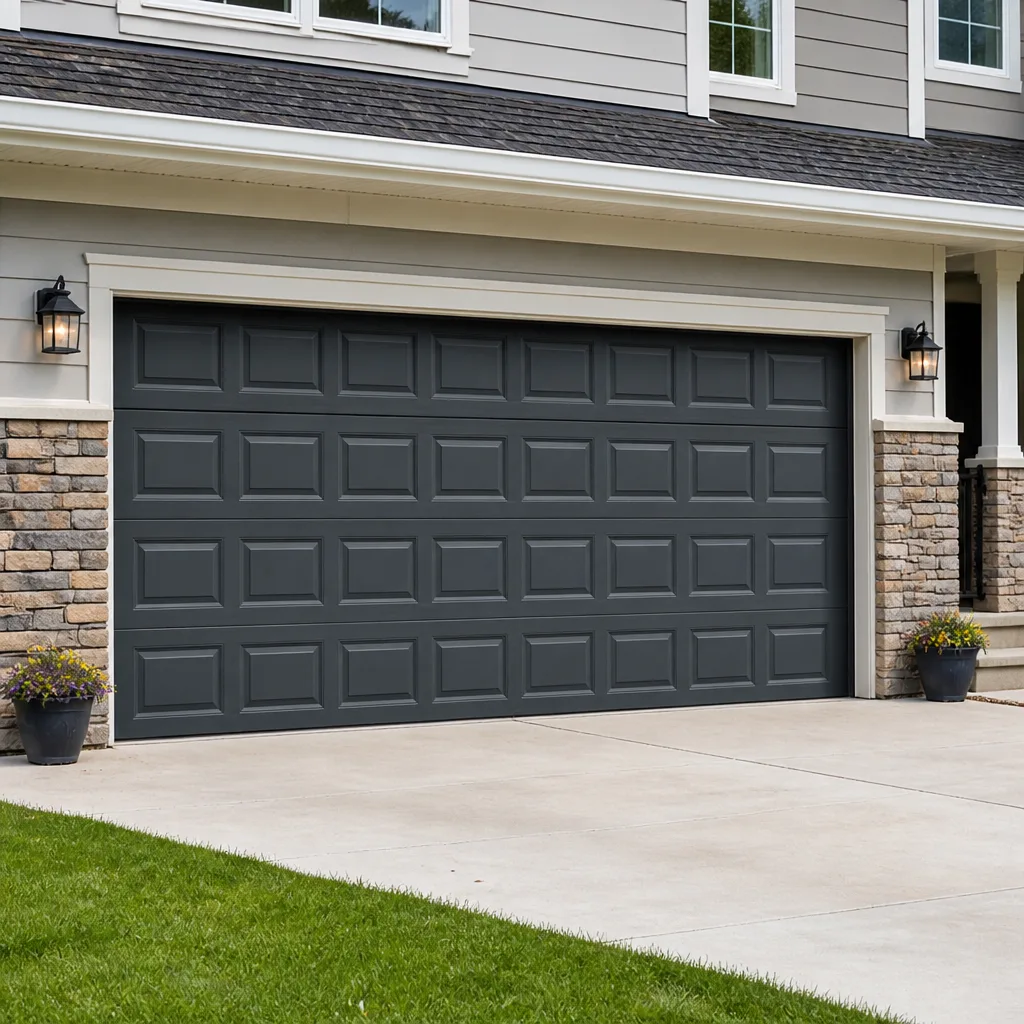 Raised-panel steel
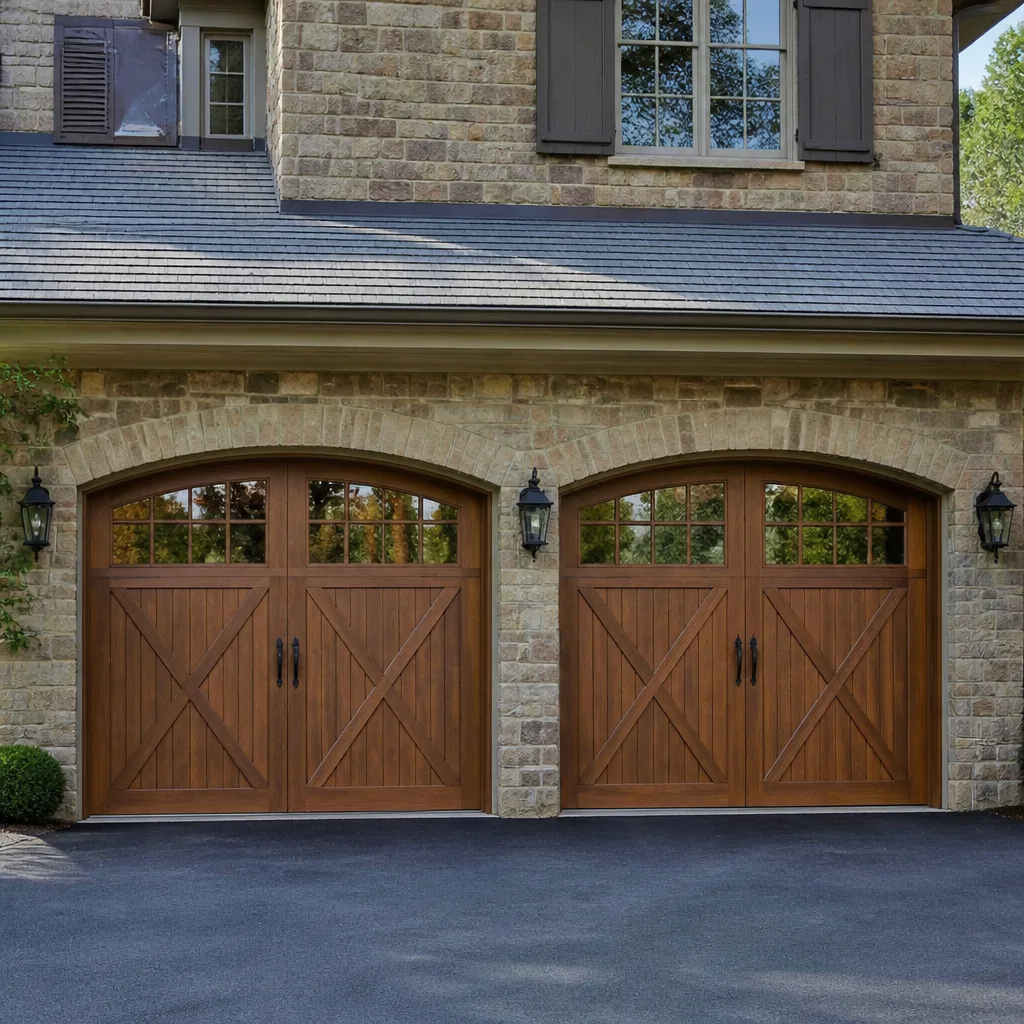 Carriage house
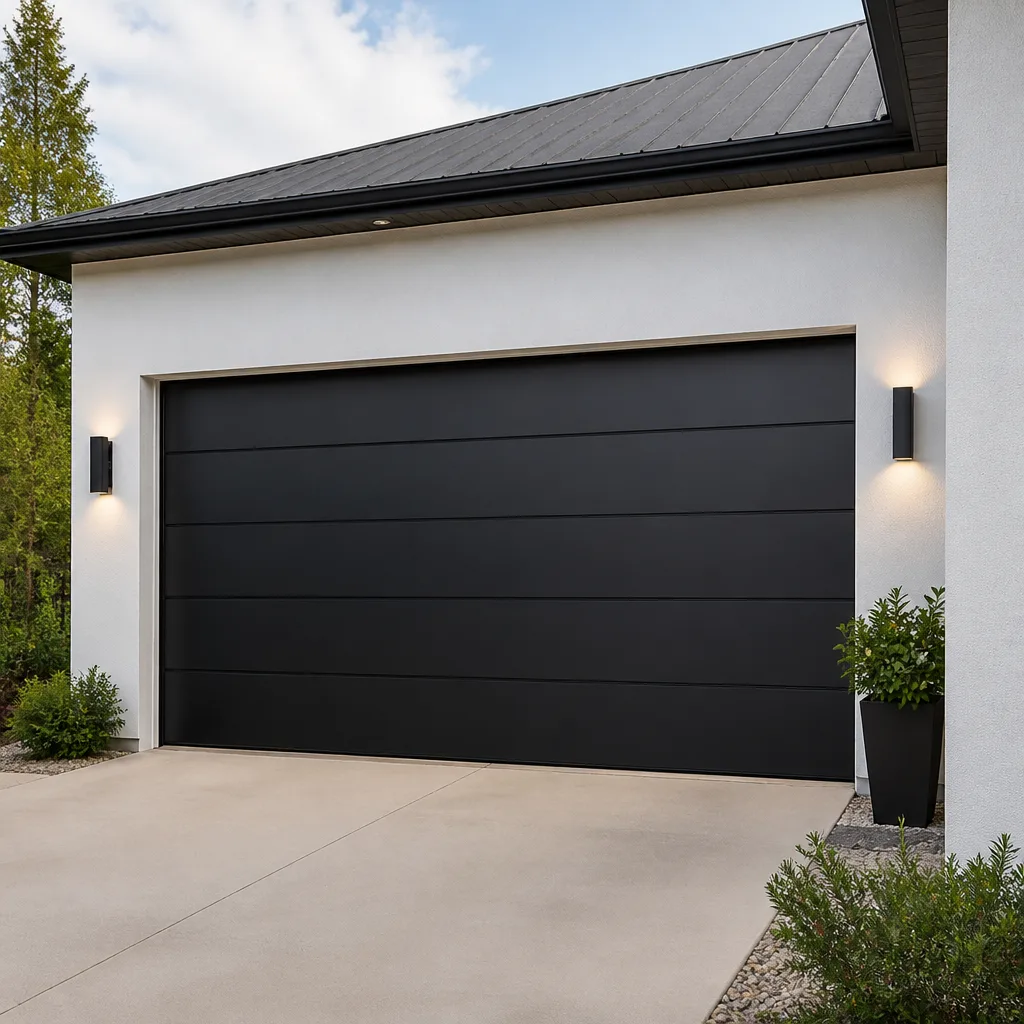 Modern flush
 Full-view glass
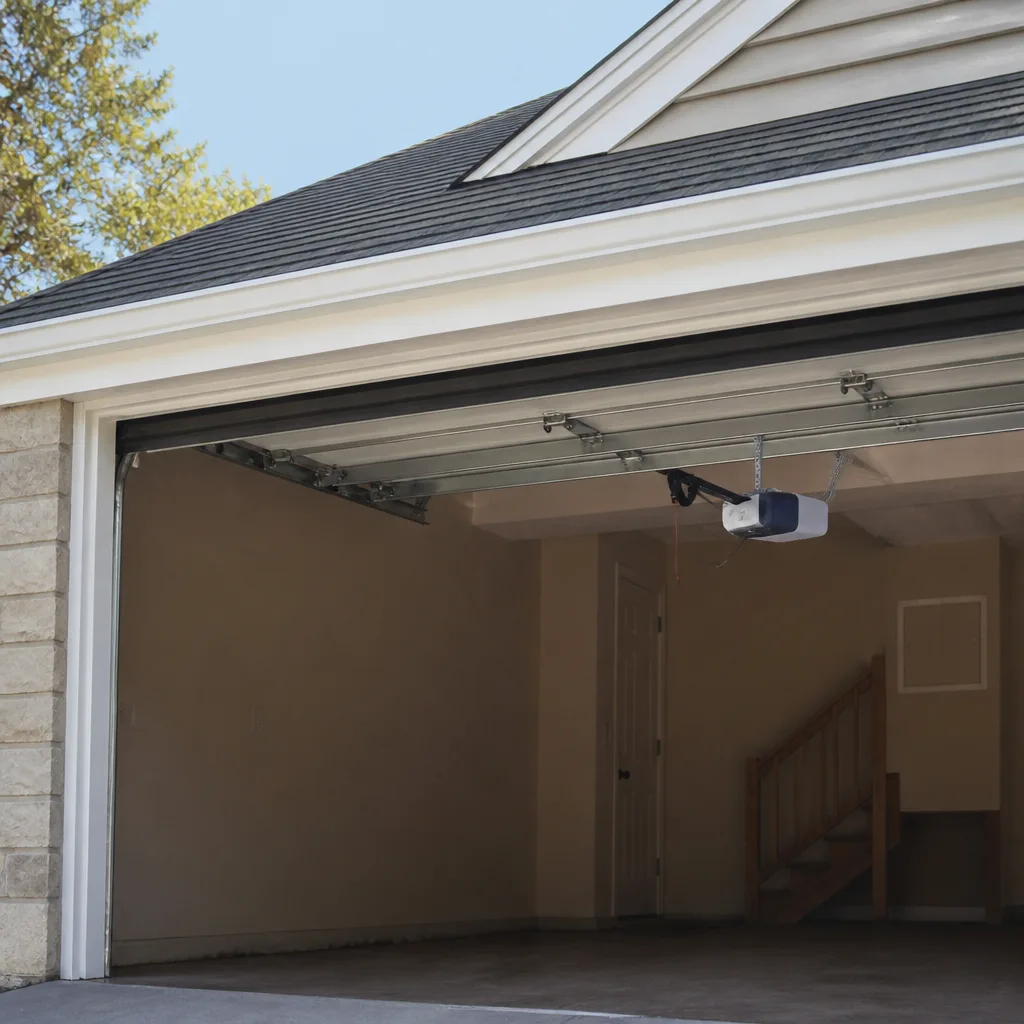 LiftMaster openers
 Chamberlain openers
Full 25-point door and opener safety check with every visit - springs, cables, rollers, tracks, and your LiftMaster or Chamberlain opener included
You get a price before we start. It does not change when the pro arrives.
Get your free estimateGarage Door Repair Maintenance Schedule: What to Do and When
The most expensive garage door repair we see every spring in Knoxville doesn’t start in spring. It starts in October, when a torsion spring is already a little weaker, a bottom seal is already a little tired, and nobody looks at either one before the first hard freeze rolls through the valley. One annual “maintenance check” sounds tidy, but it doesn’t match how doors actually age here. Knoxville puts a garage door through two very different stress seasons: a humid summer that works on seals, paint, and wood, then a winter that snaps cold and works on metal, springs, and lubricant that quietly dried up months earlier. This guide lays out a two-window schedule built around that swing, with the specific checks, products, and warning signs that matter most, so you know exactly what to do in late October and again in April.
Quick Answer
In Knoxville, service your garage door twice a year: a late-October tune-up before the first freeze and an April check after the cold season ends. The October visit focuses on lubrication, spring tension, and weather seals so parts don’t fail in the cold, and the April visit focuses on balance, hardware tightness, and seal damage from summer storms. A balance test, a visual spring inspection, and a fresh application of the right lubricant take about twenty minutes each time and catch most failures before they strand your car.
Styles & brands we work with
- Raised-panel steel
- Carriage house
- Modern flush
- Full-view glass
- LiftMaster openers
- Chamberlain openers
Table of Contents
- Why Knoxville Needs a Two-Season Schedule
- The Late-October Checklist: Before the Freeze
- The April Checklist: After the Cold Season
- Lubrication by Component: What Goes Where
- The Balance Test and Force Test at Home
- Weather Seals and Knoxville’s Storm Season
- How Maintenance Differs by Brand
- Common Mistakes to Avoid
Why Knoxville Needs a Two-Season Schedule
Most garage door maintenance advice assumes a mild, steady climate. Knoxville isn’t steady. Summer humidity sits heavy in the Tennessee Valley for weeks, then winter delivers cold snaps that can drop well below freezing for days at a time before warming back up. A garage door lives right at that boundary. Its steel tracks expand and contract, its springs carry load differently in cold, and the rubber seals at the bottom and sides take the brunt of both ends of the year.
That swing is why a single spring check misses things. Parts that feel fine in June can be marginal by January. A lubricant that seemed adequate in warm weather thickens and stops protecting rollers once the temperature drops. Meanwhile, the humid months quietly degrade the bottom seal and any wood components on older doors. An Easton Garage Door Service technician sees both failure patterns in the same neighborhoods every year, and they line up with the calendar almost exactly.
The practical answer is two focused visits a year, not one big annual overhaul. Each window targets a different set of parts:
- Late October: prepare for cold. Lubricate moving metal, check spring tension, inspect seals, tighten hardware that loosened over summer.
- April: recover from cold. Re-check balance, look for seal damage from winter and spring storms, inspect paint and wood, and test the opener’s force settings.
If you do nothing else, do those two. Everything else in this guide fits inside one window or the other, and a homeowner who follows both will catch most serious problems while they’re still cheap to fix. A door that’s starting to struggle in one season is the door that fails in the next.
The Late-October Checklist: Before the Freeze
The October visit is the one that prevents the cold-weather breakdowns. Cold doesn’t break parts by itself; it exposes parts that were already worn. Springs lose some tension, lubricant thins out or dries, and metal contracts. A door that was marginal in September can be stuck in December. Here’s the order we recommend for a late-October check in Knoxville:
- Listen to the door. Run it up and down once and note any grinding, squealing, or uneven movement. Sound tells you where the friction is before anything fails.
- Lubricate the moving parts using the component-by-component guide further down. This is the single highest-value task in the October window.
- Inspect the torsion springs visually. Look for gaps, rust, or a stretched section. Never touch or adjust them yourself; a trained technician handles tension.
- Check the weather seal for cracks and hardening. Cold makes an old seal brittle and it can tear off within the first freeze.
- Tighten hinge and track bolts that worked loose during the summer. Loose hardware is a common source of noise and misalignment.
- Test the opener’s safety reverse. A door that won’t reverse on contact needs attention before winter.
- Check the door’s balance with the manual release and the balance test described below.
Do this in October and you’ll walk into January with a door that behaves. Skip it and the first cold morning is when you find out which part was already tired. If the October check turns up a spring that’s clearly losing tension or a seal that’s failing, that’s the moment to schedule a repair, not after the door won’t open. Our garage door repair service handles those pre-winter fixes as a single visit.
The April Checklist: After the Cold Season
April is about recovery. Winter has stressed the springs and metal, and the spring storm season that follows stresses the seals and the paint. The April check repeats several October tasks but adds a few that only make sense once the cold has passed.
- Repeat the balance test. A door that balanced in fall but doesn’t in spring is telling you a spring lost tension over winter. That’s a repair signal, not just a tune-up note.
- Inspect the bottom seal for winter damage. Look for tears, flattening, or gaps where the seal meets the floor. These let water in during Knoxville’s wet spring.
- Look at the paint and any wood components. Humidity and the freeze-thaw cycle work on wood doors specially. Touch up peeling paint or bare wood before summer humidity gets into it.
- Re-lubricate moving parts if the October application has dried out. In a humid climate, lubricant doesn’t always last a full year.
- Test the opener’s force resistance if the door feels heavier than it did in the fall. A heavier door can overload the opener and wear its gears.
- Check the tracks for debris. Storms blow grit and leaves into the tracks. A quick clean saves wear on the rollers.
April is also the right time to look at the opener’s drive system, since a winter of harder working can wear a belt, chain, or screw drive faster than usual. If the opener is straining, garage door opener repair is often a straightforward fix before the humid season adds more load. Homeowners who service both the door and the opener in the same visit avoid the finger-pointing between two contractors that leaves a problem half-solved.
Lubrication by Component: What Goes Where
Lubrication is where most homeowner maintenance goes wrong, and it’s worth getting specific. Not every product belongs on every part, and one popular spray can actually harm the rubber seals over time. Here’s the component-by-component guide:
- Torsion springs: use a dedicated garage door spring lubricant or a light lithium grease. Apply a thin coat along the coil. Never use WD-40 as a substitute; it’s a solvent, not a lasting lubricant.
- Rollers: use a garage door lubricant or a silicone spray on the roller bearings and stems. Nylon rollers need less than steel rollers. Avoid grease on the roller surface itself, which attracts grit.
- Hinges and pivot points: a garage door lubricant or lithium grease works well. Apply to the pivot, not the flat metal, and wipe the excess so dust doesn’t collect.
- Tracks: do not lubricate the tracks themselves. Grease in a track collects dirt and causes the rollers to drag. Keep tracks clean and dry.
- Weather seals: use a silicone-based seal conditioner, not a petroleum product. This is where WD-40 does real damage; its solvent base dries out and cracks rubber seals over repeated use.
- Opener drive (chain, belt, or screw): follow the manufacturer’s spec. Many belt and screw drives need no lubrication at all, while chain drives often do. Adding grease to a belt drive can attract debris and cause wear.
The products that matter most are the ones matched to the material. Metal parts want a lasting lubricant. Rubber parts want a silicone conditioner. Mixing the two, or reaching for a general-purpose spray like WD-40 for everything, is the mistake that shortens seal life and leaves moving parts unprotected once the lubricant dries. We keep separate products on hand for each component type, and once you’ve done it the right way once, the difference in noise and smoothness is obvious.
The Balance Test and Force Test at Home
Two tests tell you a lot about a garage door’s health, and both are safe to run yourself as long as you follow the steps. They’re also the checks that reveal a spring that’s losing tension before it fails.
The Balance Test
- Close the door fully and disconnect the opener using the manual release cord, so the door is free of the motor.
- Lift the door by hand to about halfway open and let go gently.
- A healthy door stays roughly where you left it, hovering around the halfway point without drifting far.
- A door that sags back down on its own or shoots up on its own is out of balance. That usually points to a spring losing tension, and it’s a repair signal.
- Reconnect the opener and run the door once to confirm normal operation.
If the door won’t stay at the halfway point, don’t try to fix the spring yourself. Springs are under heavy tension and adjusting them without training is dangerous. That’s a job for a technician with the right tools.
The Force Resistance Test
- With the door connected to the opener, start it closing.
- Hold a solid object, like a two-by-four, flat on the floor in the door’s path. Better: use the opener’s built-in safety test, pressing the door gently as it closes to see if it reverses.
- A properly adjusted door reverses on contact with a light touch. A door that keeps pushing or needs a hard push to reverse is running too much force and needs adjustment.
- If the door feels heavier than usual during operation, or the opener strains, the door itself may be out of balance, loading the opener unnecessarily.
Both tests are worth running at the April and October windows. A door that passes in October but fails in April had a spring lose tension over winter, which is exactly the pattern Knoxville’s cold snaps tend to produce. A simple check each season catches it while it’s still an adjustment, not a stranded car.
Weather Seals and Knoxville’s Storm Season
The bottom seal on a garage door is a rubber strip that does more than keep out drafts. In Knoxville, it’s the first line of defense against late-summer and spring storms that drive rain sideways. A failed seal lets water pool on the garage floor, and over one wet season that water works its way into the floor, rusts the bottom of the door, and damages anything stored along the wall.
The April check is when you’ll see the damage. Look along the entire bottom seal for tears, flat spots, or a gap where it no longer presses against the floor. The side seals at the jambs matter too; they take the brunt of wind-driven rain. A seal that’s cracked or missing should be replaced before storm season. It’s a small part with an outsized effect on your garage floor and the wood at the bottom of the door.
Humidity plays its own part. A seal that hardens and cracks in the humid months can tear off entirely when a storm hits. That’s why the seal conditioning task in the lubrication guide matters; a flexible seal tolerates weather a brittle one doesn’t. If you’re not sure whether your seal is past its prime, a quick visual inspection at both seasonal windows tells you. A technician servicing your door in Knoxville can also flag a seal that’s failing before it becomes a floor problem. For the broader range of parts a seal interacts with, our Knoxville service covers the door, the seal, and the opener in one coordinated approach.
How Maintenance Differs by Brand
A maintenance schedule isn’t quite the same for every door and opener. Some manufacturers spec tighter service intervals, and some components behave differently. This matters most in homes where brands are mixed, which is common: a door from one maker and an opener from another, with hardware from a third. Here’s how a few of the major brands differ in maintenance terms:
- Chamberlain: openers typically include smart connectivity and a MyQ app. Maintenance includes confirming the app’s safety reverse settings are current and checking firmware updates, not just the mechanical parts.
- LiftMaster: shares engineering lineage with Chamberlain, so the opener service points are similar. Force and travel limits should be checked at both seasonal windows, since winter strain shows up in these settings.
- Genie: openers use different drive systems and a different force-adjustment procedure. Following Genie’s spec rather than a generic set of steps prevents over-tightening or wrong greasing.
- Clopay and Amarr: door manufacturers whose panel, hinge, and strut systems have brand-specific hardware and spec. Knowing these means the right replacement part first time, not a mismatch.
- Wayne Dalton: its TorqueMaster spring systems and door hardware call for specific maintenance and tension handling. A technician familiar with the brand knows what to check.
For a mixed-hardware home like many in Knoxville, a multi-brand technician is better positioned to service the whole system correctly. We work on the brand you already have, and our technicians have up to 11 years of experience across eight major brands, including the ones above. That brand neutrality also means recommendations are based on your door and your budget, not on which product line the technician wants to sell.
Common Mistakes to Avoid
These are the maintenance mistakes we see most often, and each one costs more in the long run than the task it replaces:
- Using WD-40 on everything. It’s useful for a quick freeing of a stuck bolt, but it’s a solvent that dries rubber seals and leaves moving parts unprotected. Use the component-specific products instead.
- Skipping the late-October check. Waiting until spring means the door goes through the cold with dry lubricant and a marginal spring. That’s the pattern that turns a tune-up into a repair.
- Over-tightening every hinge and bolt. Some hardware needs to move slightly. Tightening everything to the max can bind the door and wear the rollers faster.
- Lubricating the tracks. It feels helpful, but grease in the tracks collects grit and causes drag. Keep them clean and dry.
- Adjusting springs without training. Springs are under heavy tension; adjusting them is dangerous and a job for a professional. Watch for the warning signs and call a technician.
- Ignoring a heavy-feeling door. A door that’s harder to lift than it used to be is telling you a spring is losing tension. Left alone, the opener wears faster as it compensates.
- Assuming one annual check is enough. Knoxville’s humid summer and winter cold snaps stress different parts. One seasonal visit per year misses half of what the local climate does.
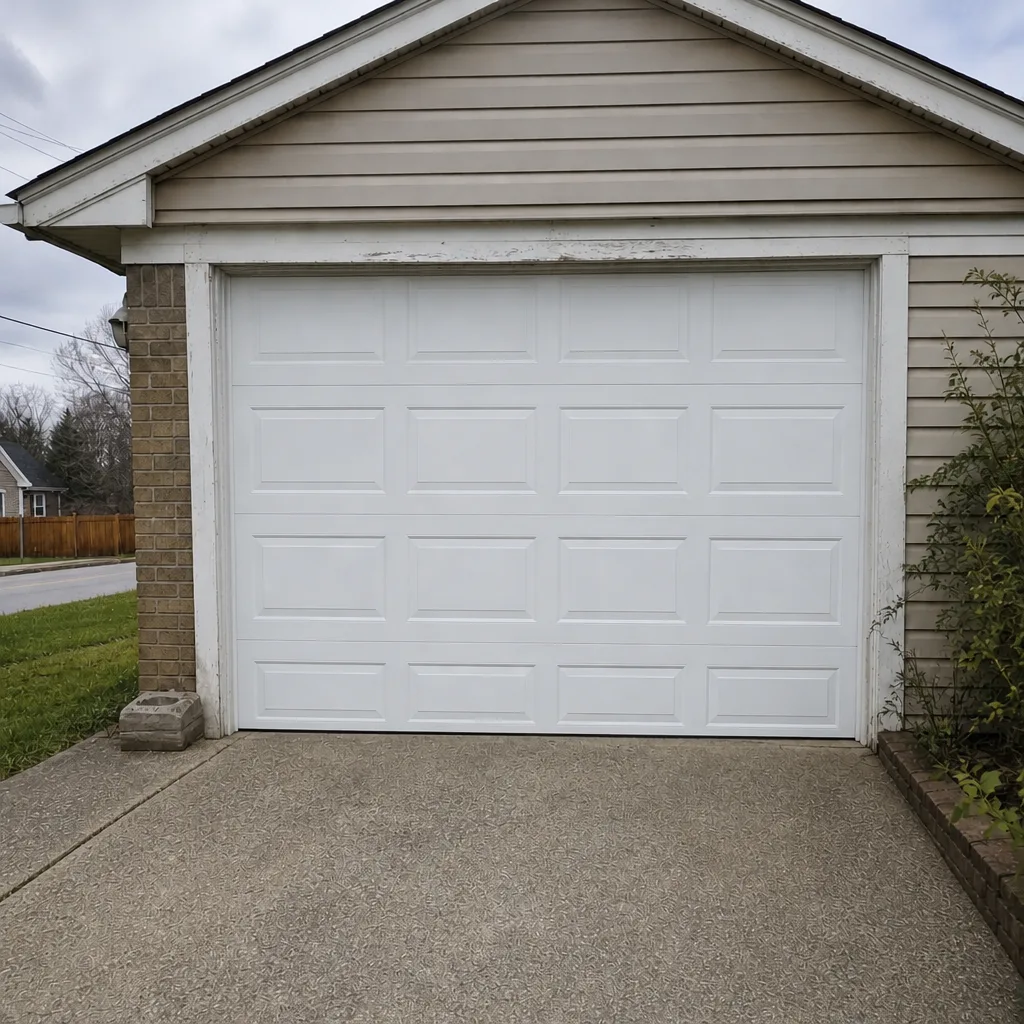
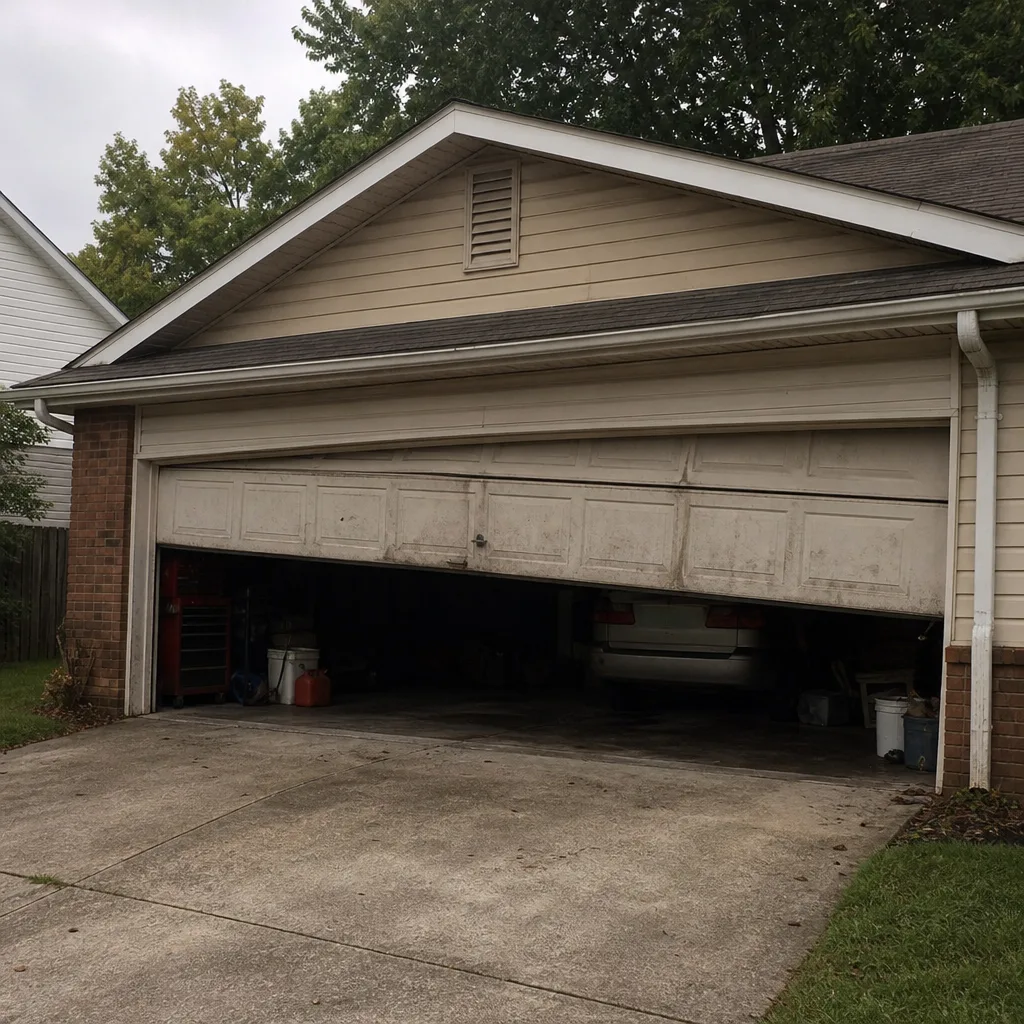
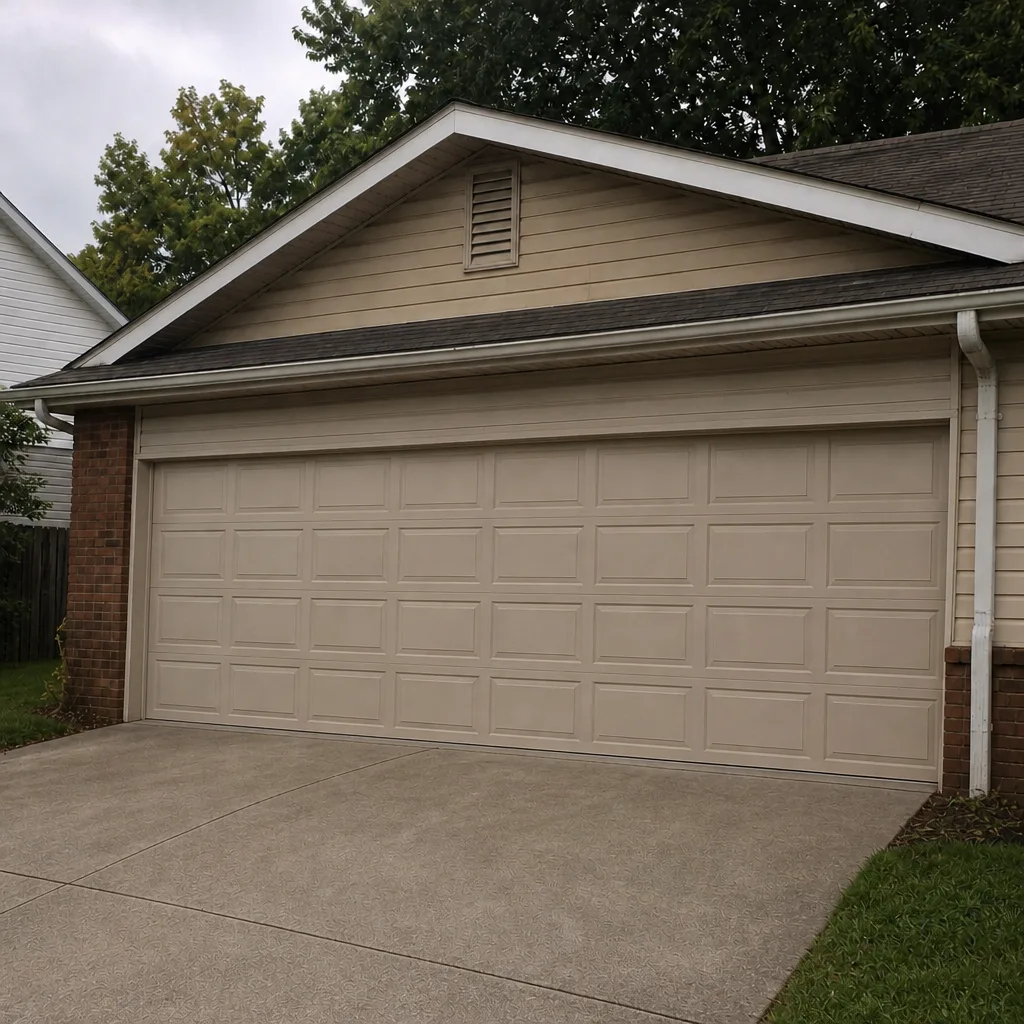
See the difference
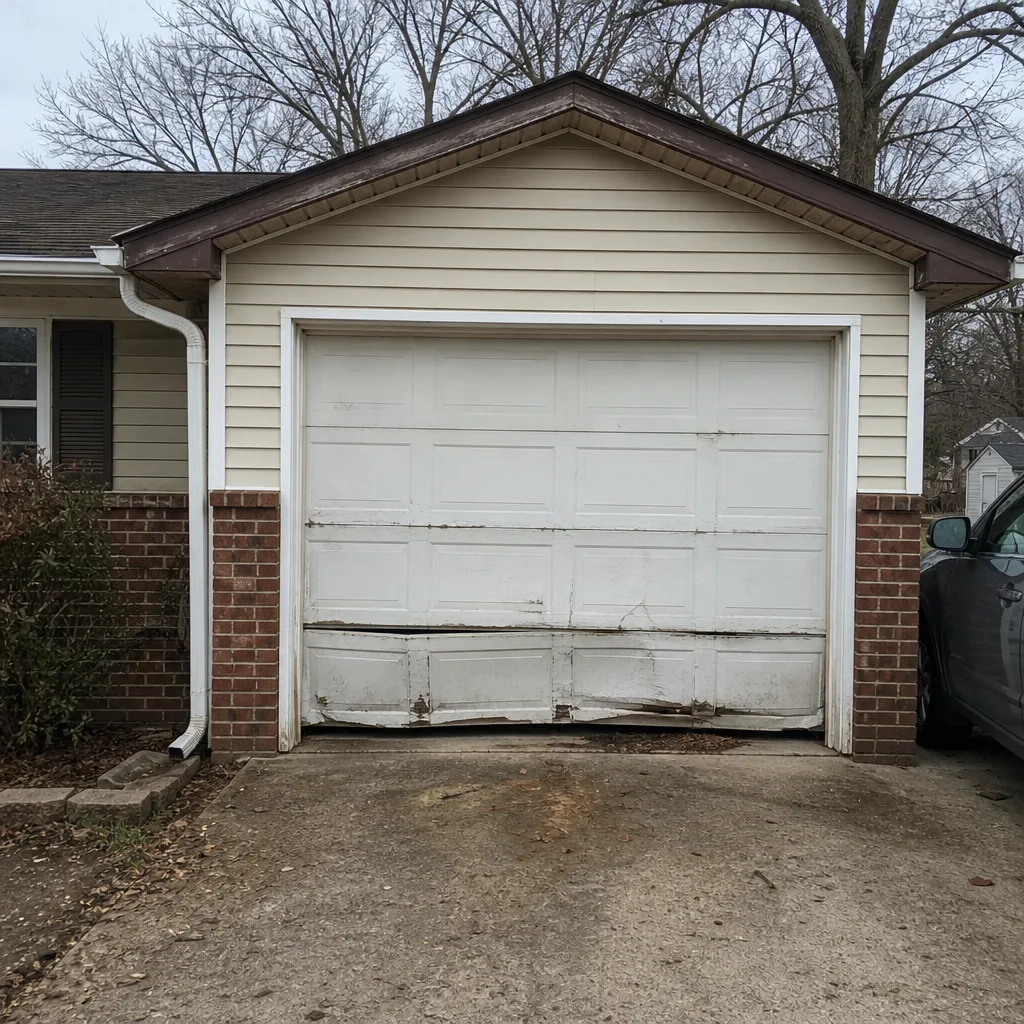 Before
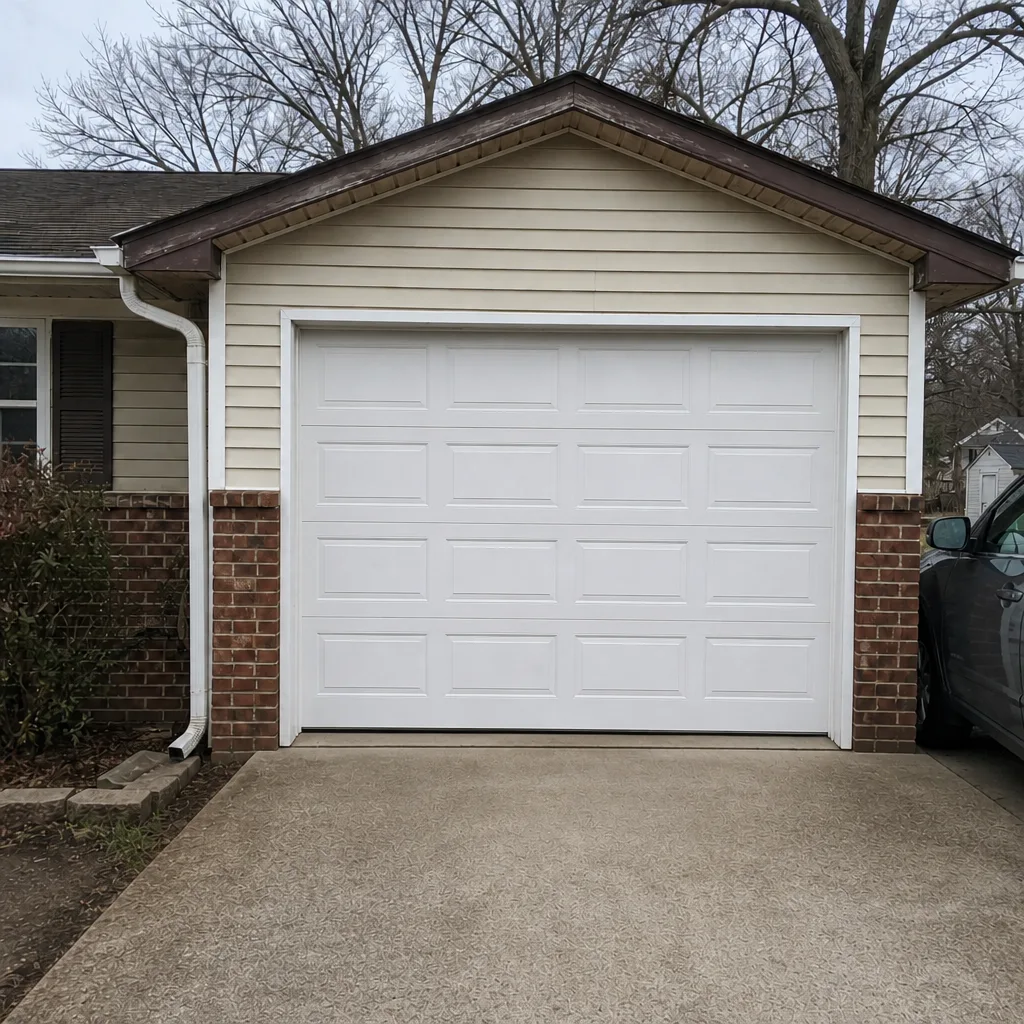 After
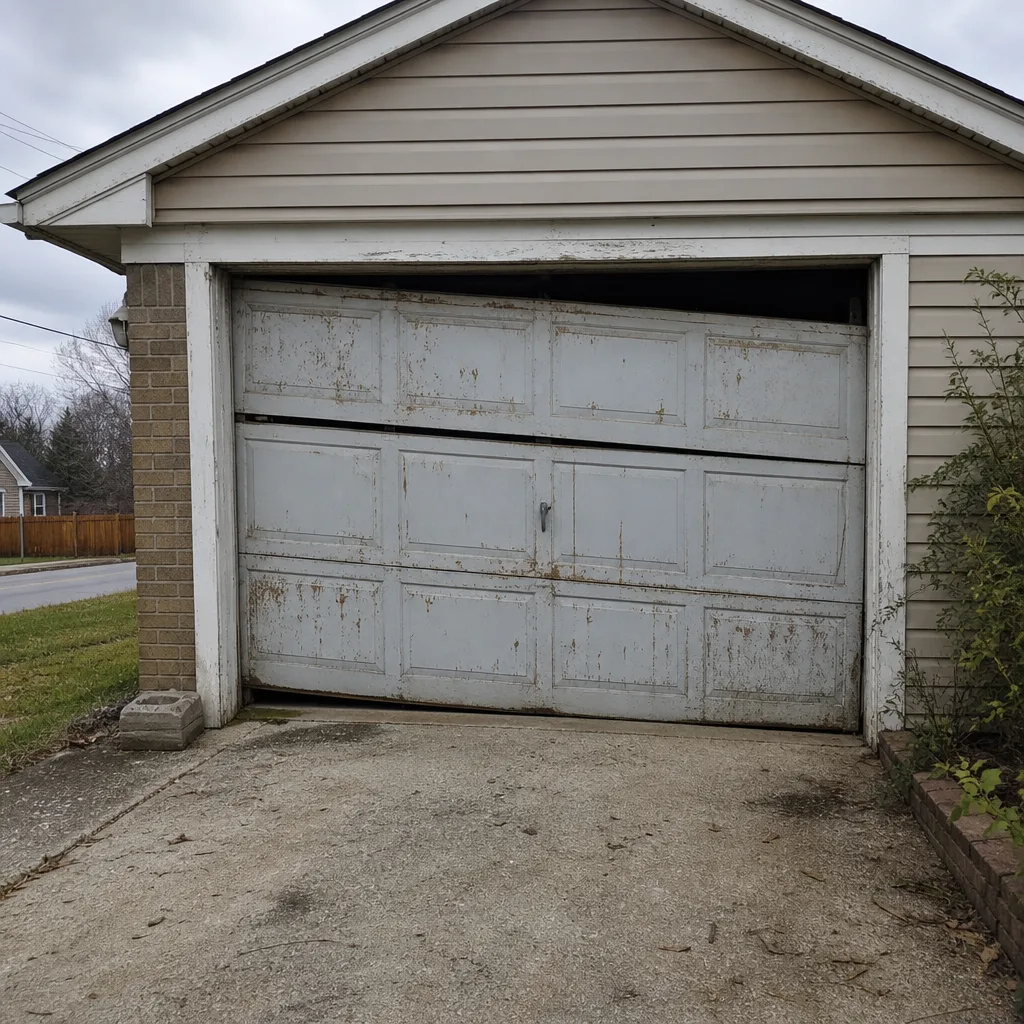 Before
 After
 Before
 After
When to Call a Professional
Some maintenance tasks are simple enough to do yourself: lubrication, a visual seal inspection, a balance test. Others are risky or require training. Call a professional if you find a spring that’s clearly losing tension, if the door won’t stay balanced, if the door is off its tracks or visibly sagging, or if the opener strains or reverses erratically. Any grinding, snapping, or sudden change in how the door moves is a sign to stop and get it looked at. Easton Garage Door Service offers free estimates in Knoxville; call (855) 965-2742. We answer 24/7, with fast dispatch from 7am to 7pm. Our technicians have up to 11 years of experience and handle the full door-and-opener system as one visit.
Frequently Asked Questions
Twice a year: a late-October check before cold weather and an April check after it. Knoxville’s humid summers and winter cold snaps stress different parts, so two seasonal visits catch more than a single annual tune-up. Call (855) 965-2742 to schedule a free estimate if anything looks off.
Yes for lubrication, visual inspection, seal conditioning, and balance and force testing. No for spring adjustment, cable work, or anything involving a door that’s off its tracks. Those are dangerous and should be handled by a trained technician. Call (855) 965-2742 if you’re unsure whether a task is safe.
A dedicated garage door lubricant or lithium grease for springs, hinges, and rollers, and a silicone conditioner for rubber seals. Avoid WD-40 on seals; it dries and cracks rubber over time. Call (855) 965-2742 for a free estimate on a professional tune-up.
The door won’t stay balanced at the halfway point, feels heavier to lift, or makes a loud snap. A visual gap in the spring is another sign. Don’t try to adjust it yourself; call (855) 965-2742 for a free estimate and we’ll assess it.
Yes. Different brands spec different service points, from smart-opener settings on Chamberlain and LiftMaster to specific spring handling on Wayne Dalton. A multi-brand technician matches the work to your door, and we service eight major brands. Call (855) 965-2742 for a free estimate.
Parts that are already marginal fail faster, and a small repair becomes a bigger one at the worst time, like a cold morning when the door won’t open. Call (855) 965-2742 for a free estimate and we’ll build a schedule around your door.
The Bottom Line
Garage door maintenance in Knoxville comes down to two windows, not one. Late October is about preparing for cold: lubrication, spring tension, seal inspection, hardware tightening. April is about recovery: balance, seal damage, paint and wood, opener force settings. The tasks themselves are quick, and most of them are safe for a homeowner. The two big exceptions, springs and anything that leaves the door off its tracks, are worth calling in a professional for. A door that gets both seasonal visits will run quieter, need fewer repairs, and fail less often. Skip one and the next season finds the weak part for you.
If you’d rather hand the seasonal checks to someone who works on your brand every day, we handle the full system, door and opener, in one visit. Easton Garage Door Service offers free estimates in Knoxville. Call (855) 965-2742 for a free estimate. We answer 24/7, with fast dispatch from 7am to 7pm, Sunday through Friday.
Written by the team at Easton Garage Door Service.