
Last updated November 15, 2026
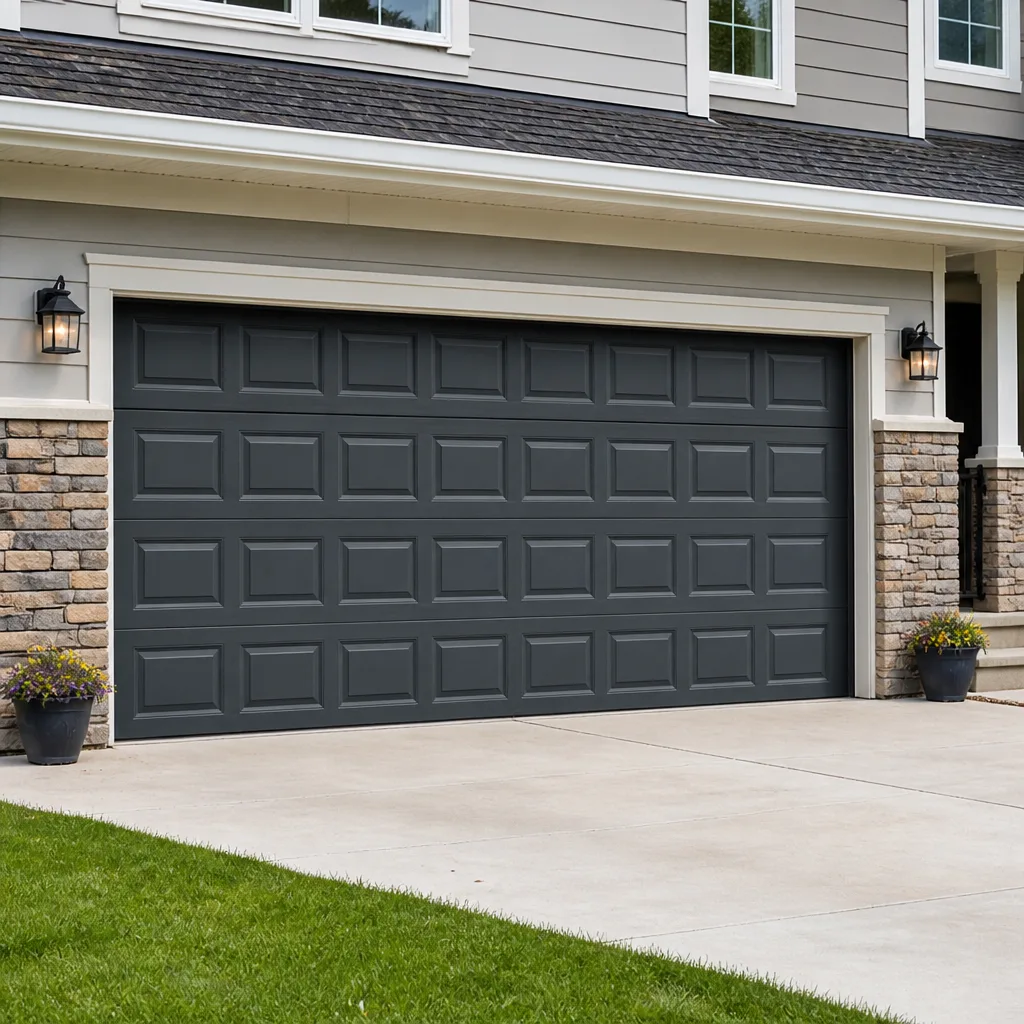 Raised-panel steel
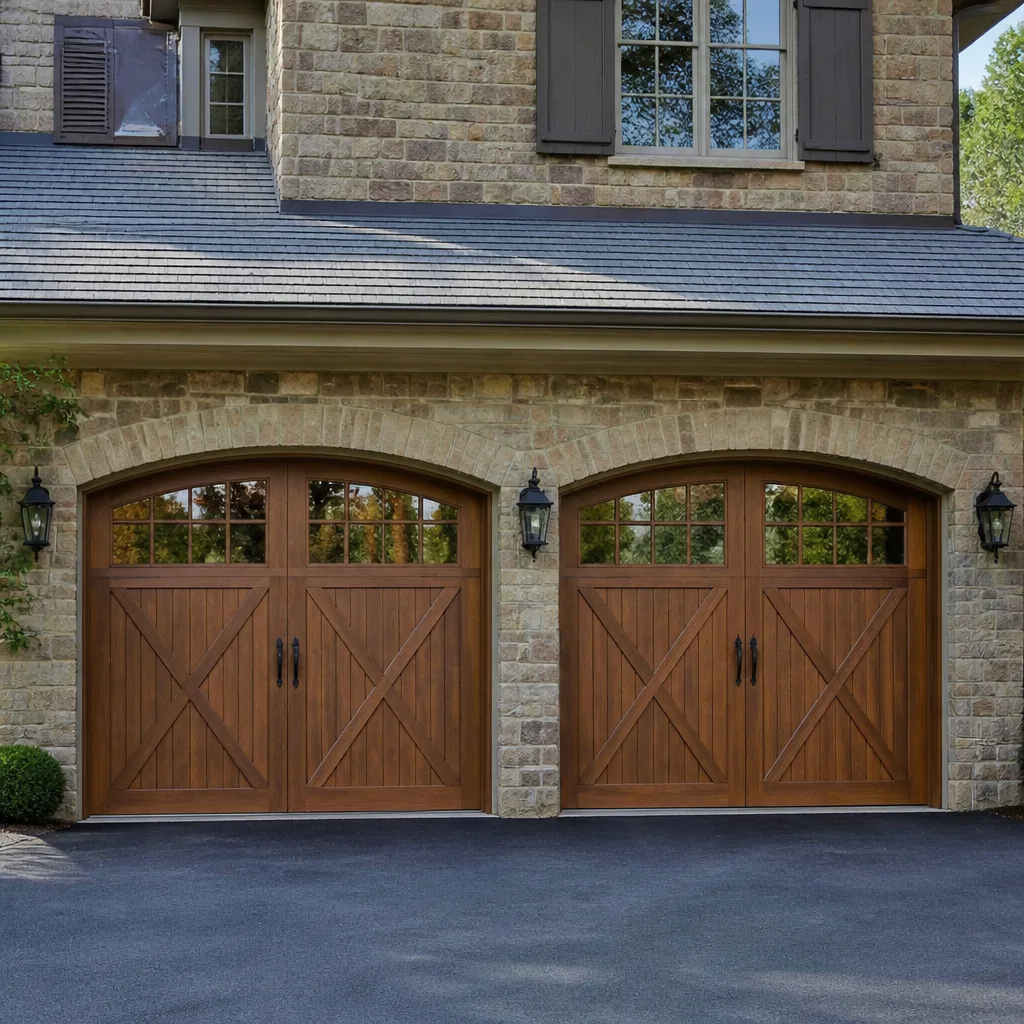 Carriage house
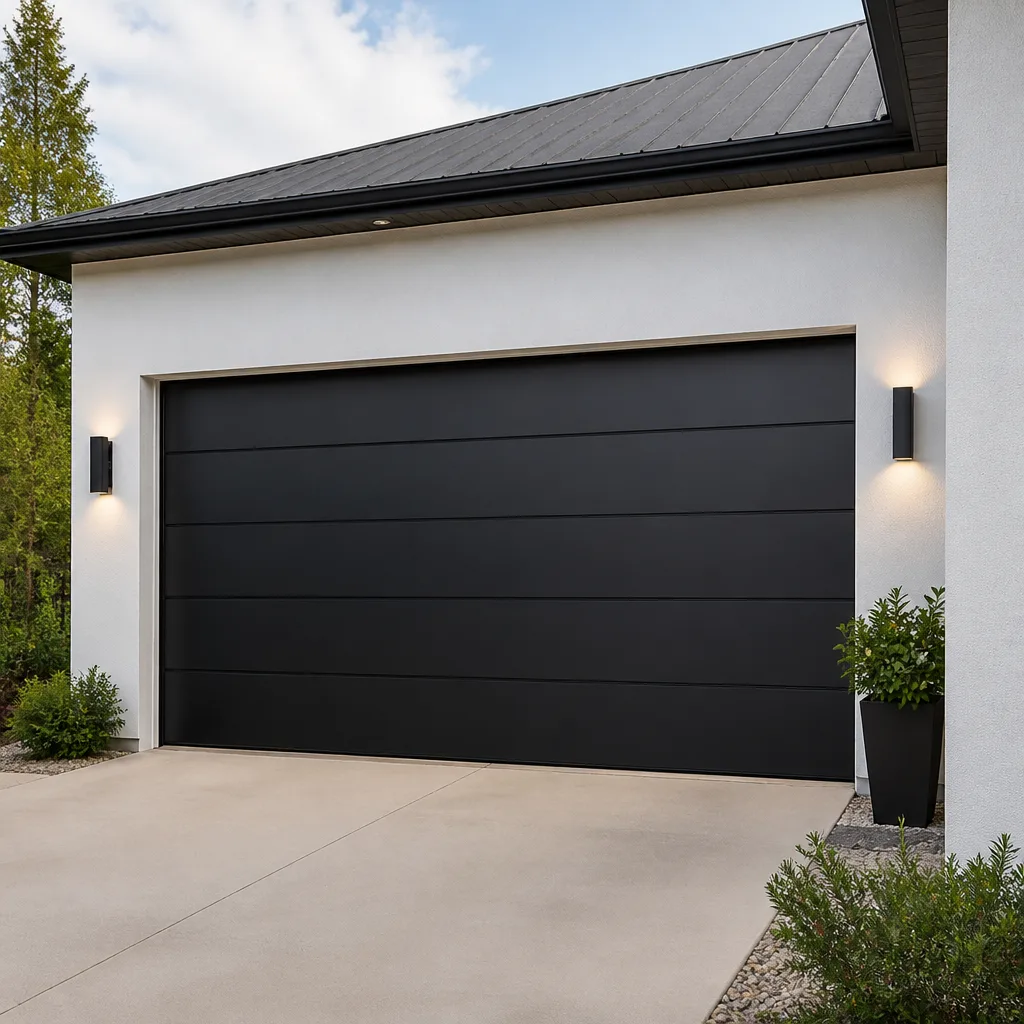 Modern flush
 Full-view glass
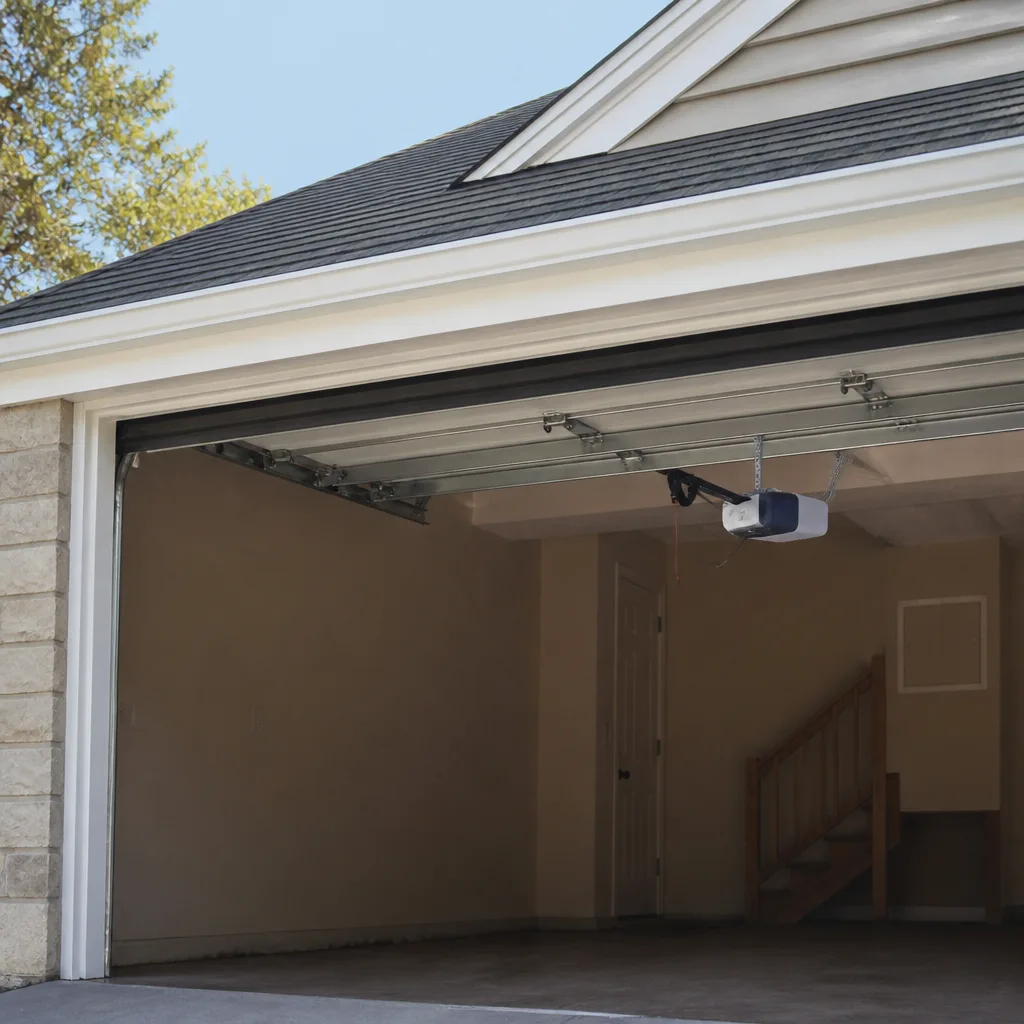 LiftMaster openers
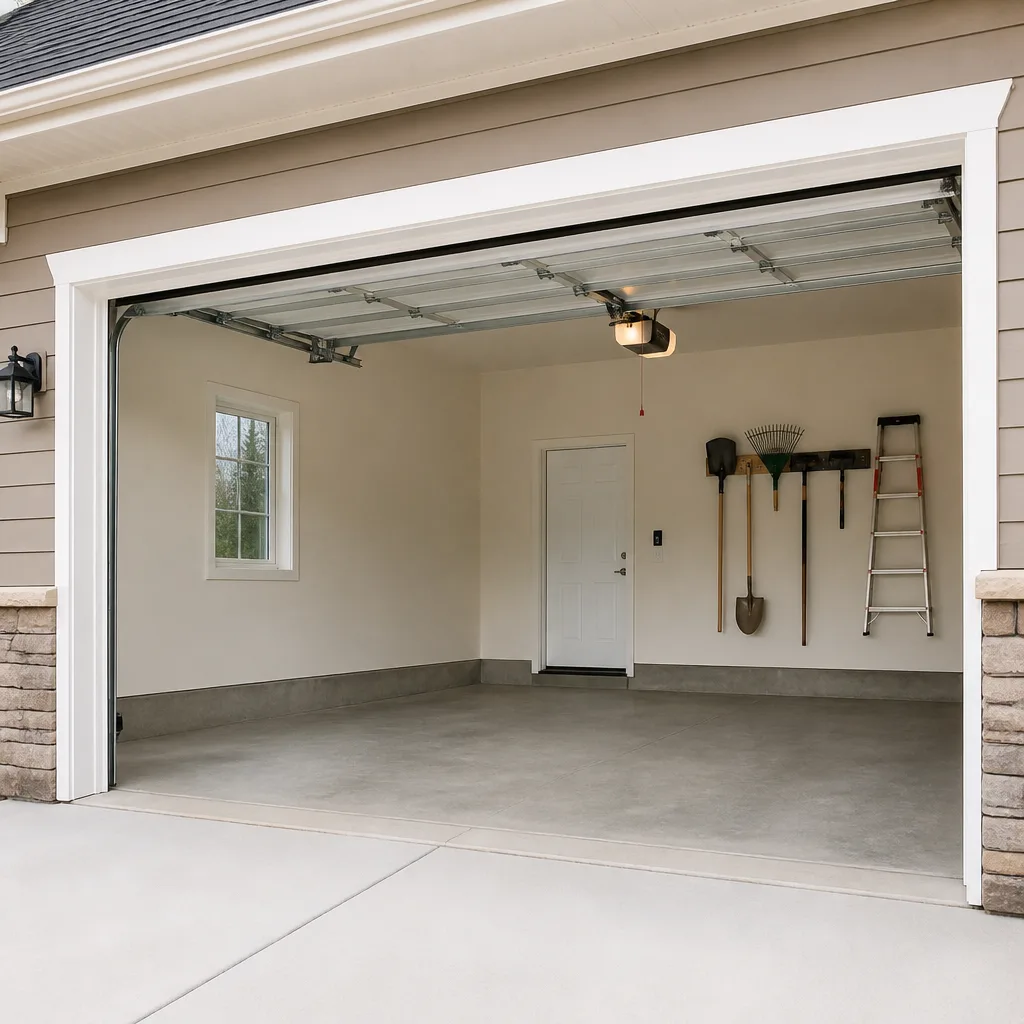 Chamberlain openers
Full 25-point door and opener safety check with every visit - springs, cables, rollers, tracks, and your LiftMaster or Chamberlain opener included
You get a price before we start. It does not change when the pro arrives.
Get your free estimateGarage Door Repair Maintenance Checklist for Knoxville Homeowners
The number one cause of premature garage door opener failure isn’t the motor. It’s an unlubricated roller that added just enough resistance to burn the drive system out quietly over about 18 months. Homeowners replace the opener and never learn why it died, so the new one follows the old one to the same grave. The second failure is usually a spring nobody looked at. This checklist is built around what actually fails first on Knoxville homes, ranked by how often we see it and how much it costs when ignored. It covers lubrication that survives Tennessee heat, a 10-minute monthly inspection, seasonal spring adjustments, and how to document your door so a technician can diagnose it faster.
Quick Answer
A complete garage door maintenance checklist for Knoxville means lubricating rollers, hinges and the torsion spring every few months, testing the balance and safety reverse monthly, checking weather seals before each rainy season, and having a technician inspect springs and cables once a year. Most homeowners who follow a ranked checklist like this one prevent the two most expensive failures: burned-out openers and broken springs. The single highest-value habit is monthly lubrication and a balance test, which together catch roughly 8 in 10 problems before they turn into repair calls.
Styles & brands we work with
- Raised-panel steel
- Carriage house
- Modern flush
- Full-view glass
- LiftMaster openers
- Chamberlain openers
Table of Contents
- The Components That Fail First on Knoxville Doors (Ranked)
- Which Lubricants Hold Up in Tennessee Heat, and Which Don’t
- The 10-Minute Monthly Self-Inspection
- Seasonal Spring Tension Adjustments Most Homeowners Miss
- Weather Seals and Why Knoxville’s Humidity Punishes Them
- Openers, Remotes and Smart-Home Checks
- Documenting Your Door’s Service History
- When to Call a Professional
The Components That Fail First on Knoxville Doors (Ranked)
Not every part fails at the same rate. Humidity and wide temperature swings push some components harder than others, and knowing the order helps you spend your attention where it pays off. Here’s the ranking we’d give a Knoxville homeowner, from most common to least.
- Rollers. Nylon and steel rollers dry out and flat-spot, adding drag to every cycle. This is the quiet cause of most opener burnouts.
- Hinges and the center bearing plate. These squeak and stiffen first in humid months. Left dry, they transfer stress to the panels and the opener.
- Weather seals at the bottom and sides. Knoxville’s humid summers and wet winters crack seals faster than dry climates do. A failed bottom seal also lets water and pests in.
- Torsion springs. The springs do the heavy lifting, and they cycle thousands of times a year. Winters that dip toward freezing and summers that push past 90 put repeated expansion and contraction on the metal.
- Cables. Cables fray at the drums and along the track. They fail less often than springs but fail suddenly when they do.
- Opener drive system. Belts, chains and screw drives wear slowly, but they wear faster when the door is binding. Fix the door and the opener lasts.
- Photo-eye sensors and remotes. Usually an alignment or battery issue, rarely a real failure.
That order matters because the top three items cost the least to maintain and cause the most expensive damage when ignored. A $5 tube of lubricant protects a $400 opener. We’ve watched this pattern repeat across every brand we work on, from a Clopay steel door on a newer build to a Wayne Dalton on an older West Knoxville home.
Which Lubricants Hold Up in Tennessee Heat, and Which Don’t
Lubricant choice is where most checklists go vague, and it’s where Knoxville’s climate punishes the wrong pick. A product that works fine in a mild climate can gum up, drip, or attract grit in Tennessee heat. Here’s how the common options sort out.
- White lithium grease (in a tube or spray) is the standard for a reason. It handles heat well, stays put on hinges and rollers, and doesn’t run. Use it on rollers, hinges, and the bearing plate.
- Silicone spray is the better choice for tracks and springs. It’s clean, doesn’t attract dust, and won’t stain. Spray the torsion spring and the inside of the track lightly.
- Heavy grease or engine oil is the wrong tool. It collects grime, turns into a paste in summer, and thickens in winter. In Knoxville’s humidity, that paste holds moisture against metal.
- WD-40 (the classic blue-and-yellow can) is a solvent, not a lubricant. It’ll quiet a squeak for a week and then dry out, leaving the part unprotected. Use it to clean, then apply a real lubricant.
- Graphite powder works for locks, not for moving door parts. It’s messy and the gains are small.
The rule that holds up across climates: light oil or lithium on metal-to-metal contact, silicone on springs and tracks, and nothing that stays tacky. Wipe off old grease before applying new. In our experience, a door lubricated with the right products twice a year runs quieter and cycles smoother than one sprayed with whatever was on the shelf in the garage.
The 10-Minute Monthly Self-Inspection
You don’t need tools for most of this. A monthly walk-around catches the majority of problems before they become repair calls, and it takes less time than a coffee break. Do it on the same day each month so it becomes habit.
- Look and listen while the door runs. Open and close it once, watching and listening. Grinding, squealing, or a door that jerks means friction is building somewhere.
- Check the balance. Disconnect the opener (pull the release handle), lift the door halfway, and let go. A balanced door stays put. A door that drops or rises on its own has a spring or cable problem. Reconnect the opener before testing the rest.
- Test the safety reverse. Place a roll of paper towels or a 2×4 flat under the door and close it. The door should reverse on contact. If it doesn’t, stop using the opener and call us for garage door opener repair.
- Test the photo-eye sensors. Wave your hand through the beam while the door is closing. It should reverse. Wipe the lenses if it doesn’t, and check alignment.
- Inspect the rollers. Look for flat spots, cracks, or wobble. Spin each one by hand. Any that don’t spin freely need lubrication or replacement.
- Check the hinges and the bearing plate. Look for rust, looseness, or missing screws. Tighten what’s loose and lubricate what squeaks.
- Run your hand along the bottom seal. A stiff, cracked, or torn seal needs replacing before the rainy season.
- Check the tracks for debris. Wipe them with a damp cloth. Don’t lubricate the track surface where the rollers ride; let the rollers carry the lubricant.
That’s the whole routine. It catches most of the problems we see on service calls, and it gives you a clear list of anything that needs attention before you call anyone.
Seasonal Spring Tension Adjustments Most Homeowners Miss
Here’s something most checklists don’t mention: garage door springs don’t just wear out from cycling. They also respond to temperature, and Knoxville’s seasons move the needle enough to notice. A torsion spring that feels perfect in October can feel underpowered by January, and one that’s tuned for January can feel stiff and sluggish by July.
The reason is simple. Metal expands and contracts with temperature. Cold shrinks the spring and changes how much force it delivers. Heat relaxes it. On a well-matched system, the difference is small. On a door that’s already near the edge of its balance range, a 30-degree shift can push it from fine to troublesome. That’s why a door that worked all summer can suddenly feel heavy or refuse to stay open in the first cold snap.
Here’s what this means in practice:
- Fall is the time to check balance. Before the first hard freeze, run the disconnect-and-lift test. If the door won’t stay halfway, call for an inspection before winter sets in.
- Spring is the time to check again. After winter, listen for new noises and recheck the safety reverse. A door that binds in warm weather may have a spring that’s lost tension over the cold months.
- Spring adjustment is not a homeowner task. Torsion springs are under extreme tension, and the winding bars that adjust them can slip and cause serious injury. This is the one item on this checklist we tell every homeowner to leave to a trained technician. We handle it safely with the right tools and know exactly how much tension your door needs.
Knoxville winters are mild compared to the north, but the temperature swings here are wide and frequent, and that’s harder on springs than a steady cold. A technician who checks spring tension seasonally is doing more than most checklist writers will tell you to do.
Weather Seals and Why Knoxville’s Humidity Punishes Them
Weather seals are the first line of defense for your garage, and Knoxville’s humidity and rain are hard on them. The bottom seal takes the most abuse because it meets the floor every time the door closes. Side and top seals see less action but still crack in the sun and the wet. A failing seal lets water in, invites pests, and lets conditioned air escape into the garage. It also lets wind-driven rain reach the door panels and the opener.
Check the seals every few months:
- Bottom seal: Look for cracks, tears, flattening, or gaps at the corners. Press the seal against the floor; it should compress evenly all the way across. A gap you can see light through is a gap water will find.
- Side and top seals: Look for peeling, hardening, or gaps where the seal meets the frame. In Knoxville, the south and west sides of a garage take the most sun and wear fastest.
- After a heavy rain: Check for water pooling inside the garage along the door line. That’s a seal problem, not a drainage problem, more often than not.
Replacing a bottom seal is one of the least expensive maintenance tasks and one of the highest-value. Call us for garage door repair if the seal is beyond a simple swap or if water is getting in around the door frame. We work on the brand you already have, so a Wayne Dalton or Amarr door doesn’t need a specialty contractor just for a seal.
Openers, Remotes and Smart-Home Checks
The opener is the part most homeowners notice and the part most likely to be blamed for a problem that started at the door. Before you consider replacing it, run these checks. They catch the majority of opener complaints and cost nothing.
- Test the wall button and the remote separately. If the wall button works and the remote doesn’t, the problem is a battery or a remote issue, not the opener.
- Check the safety sensors. Misaligned or dirty photo-eyes are the single most common cause of a door that won’t close. Wipe the lenses, check the alignment lights, and make sure nothing is in the beam.
- Listen to the drive. A grinding or straining sound means the door is binding, not that the motor is dying. Lubricate and balance the door first.
- Check the force and travel settings. If the door reverses halfway, the travel limit or force setting may need adjustment. On most modern openers this is a dial or a set of buttons on the motor head. If you’re not sure, leave it to us.
- Test the smart features. If you have a connected opener (many LiftMaster, Chamberlain and Genie models qualify), open the app and confirm it still reports door status. Wi-Fi drops and app logouts are common after router changes.
- Look for a manual release test. With the door closed, pull the release handle and try the door by hand. If the door is heavy or binds, the opener is being asked to do work it shouldn’t.
If these checks don’t resolve the problem, it’s likely a circuit board, a gear, or a motor issue. Our technicians are trained on LiftMaster, Chamberlain, Genie, and Craftsman openers, among others, and can diagnose yours correctly the first time. Our garage door opener repair service is a specialty, not an add-on.
Documenting Your Door’s Service History
A written service history is one of the most useful things you can keep for your garage door, and almost nobody does it. It helps a technician diagnose faster, it helps you compare quotes apples to apples, and it tells you when a part is due for replacement rather than a repair.
Here’s what to track in a simple notebook or a note on your phone:
- The door brand and model, if you know it. Check the sticker inside the door or on the opener. Clopay, Amarr, Wayne Dalton and Craftsman are all common in Knoxville homes, and the model matters for parts.
- The opener brand and model, plus the manufacture date if it’s on the label. Openers typically last 10 to 15 years, so the date tells you where yours sits.
- Every service call: what was done, what parts were replaced, and the date. Note whether it was a repair or an inspection.
- Every self-inspection result: the date, what you checked, and anything that seemed off. A pattern of “door feels heavy in January” helps a technician enormously.
- Any spring replacement dates and the type of spring. Springs have a cycle life, and knowing when yours were installed tells you when to expect the next one.
When you call for service, share that history. We can often bring the right part the first time, and we can tell you whether a repair makes sense or whether replacement is the better call. That’s the “repair when repair makes sense, replace when it doesn’t” approach, and it’s easier to give with good information. If you’re in Knoxville, we’re happy to look at whatever notes you’ve got.
Common Mistakes to Avoid
- Lubricating the tracks with grease or oil. The track surface should stay clean and dry. Grease collects grit and turns the rollers into grinding wheels. Lubricate the rollers and hinges instead.
- Ignoring a squeak. In Knoxville’s humidity, a squeak becomes a stiff hinge within a season. It’s a 30-second fix if you catch it early and a repair call if you don’t.
- Trying to adjust torsion springs yourself. Torsion springs are under extreme tension and the winding bars can slip without warning. This is the most common serious injury in garage door work, and the repair is not worth the risk.
- Replacing the opener when the door is the problem. If the door binds, the opener is doing extra work. Fix the door first and the opener will last. We see burned-out openers regularly that only needed a roller and a hinge.
- Using the wrong lubricant. WD-40 quiets a squeak for a week and dries out the part. White lithium or silicone is the right choice, and the difference matters more in Tennessee heat.
- Skipping the safety reverse test. It’s the one check that protects people and pets, and it’s the one most homeowners never do. Test it monthly.
- Ignoring a failing bottom seal before the rainy season. Knoxville’s wet springs and winters will find every gap. Replace a cracked seal in the fall, not after water has been coming in for a month.
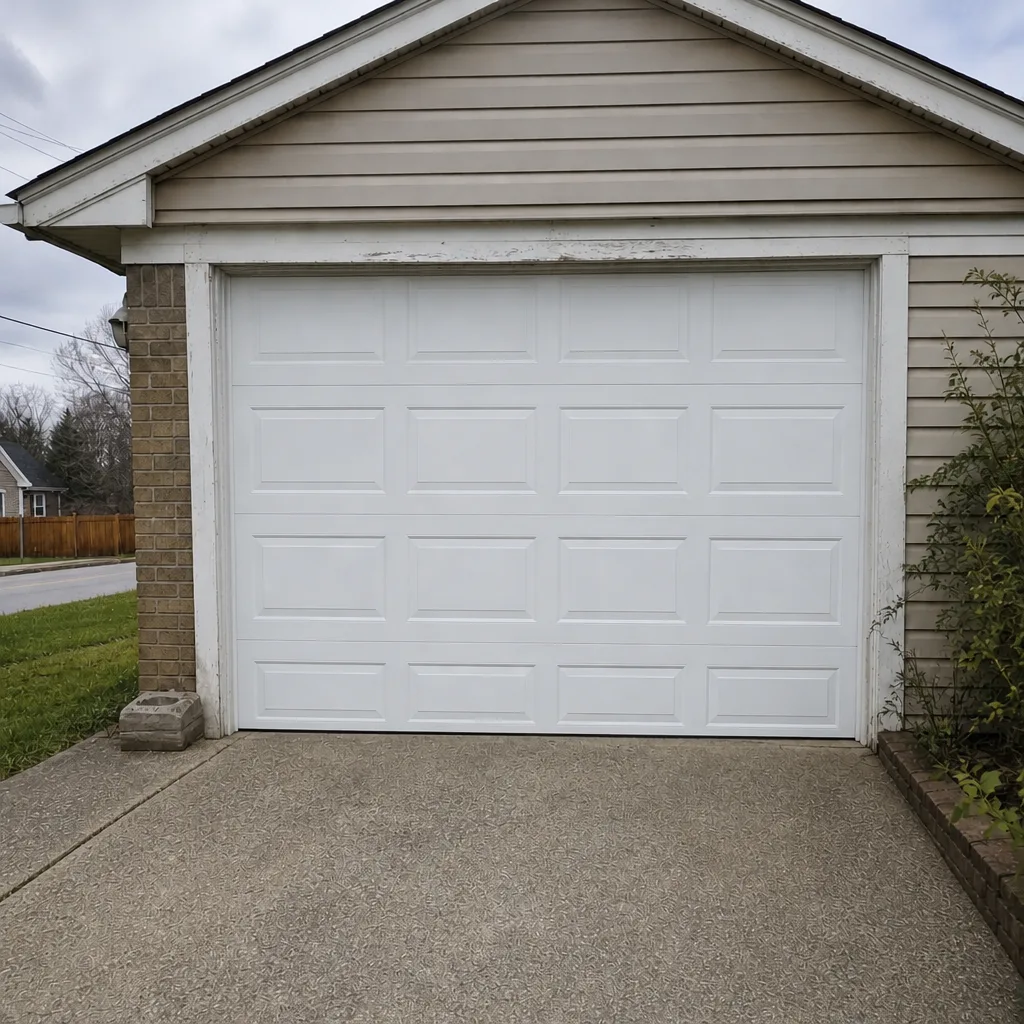
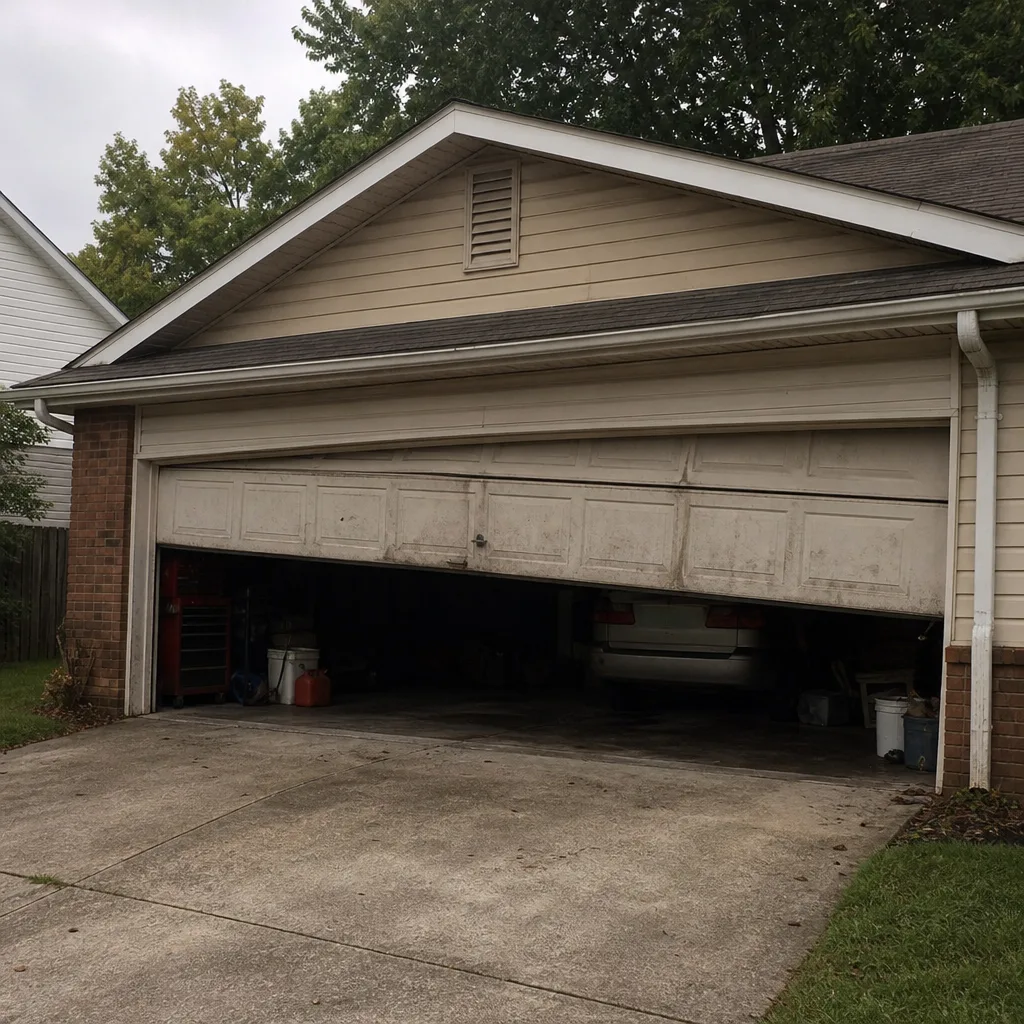
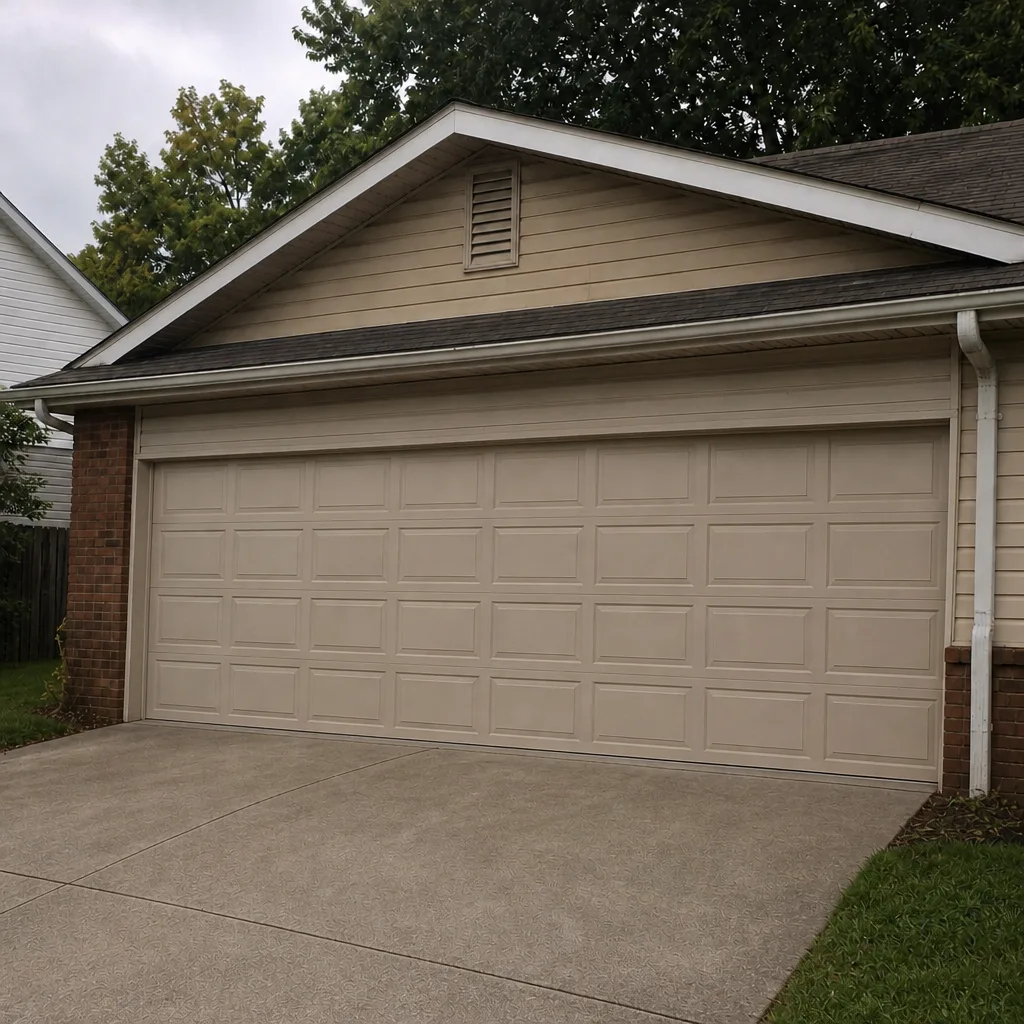
See the difference
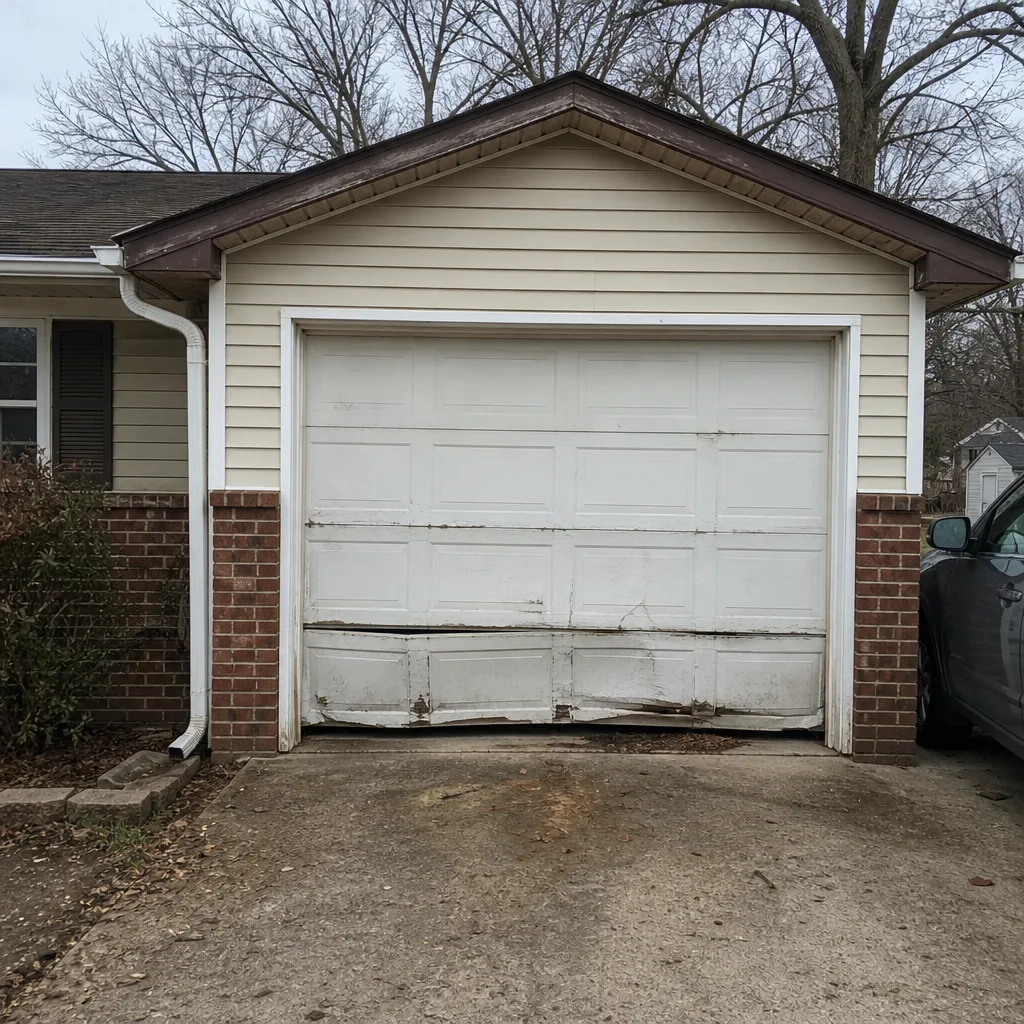 Before
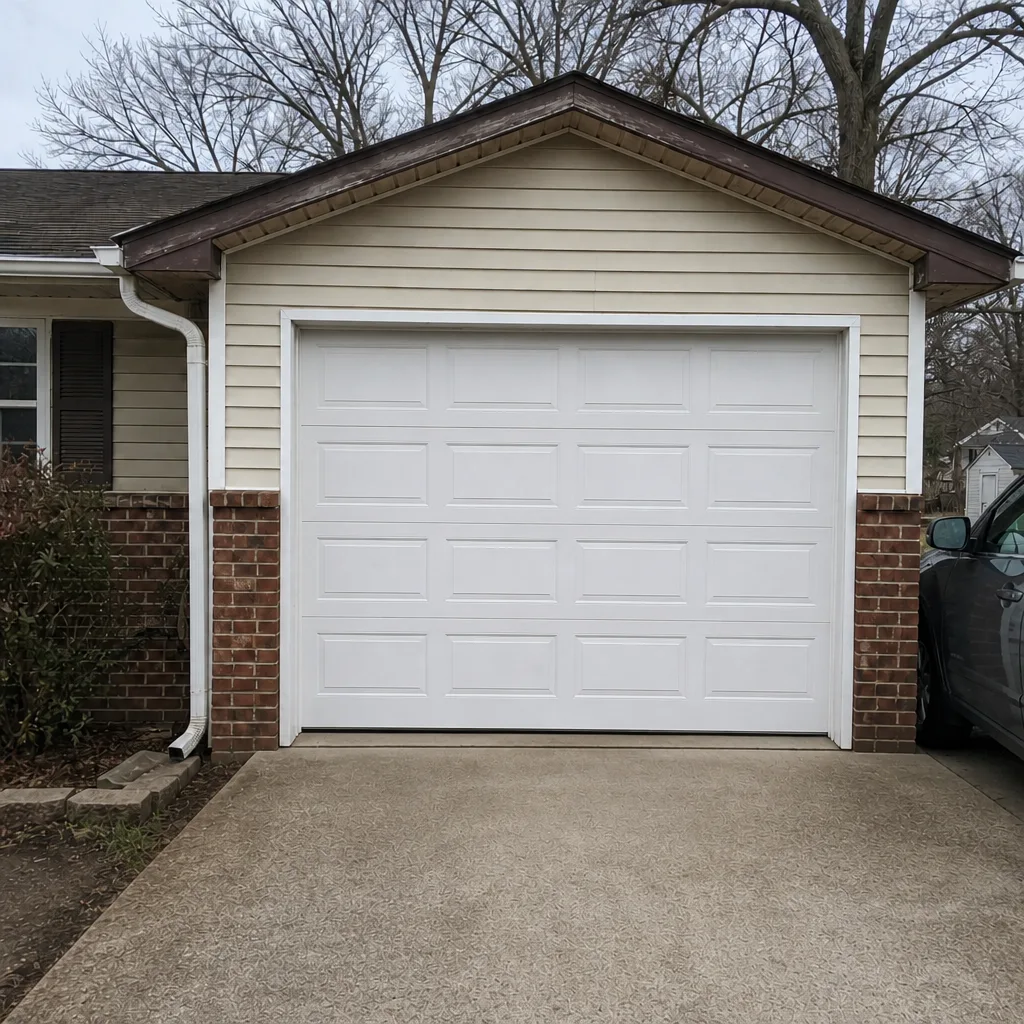 After
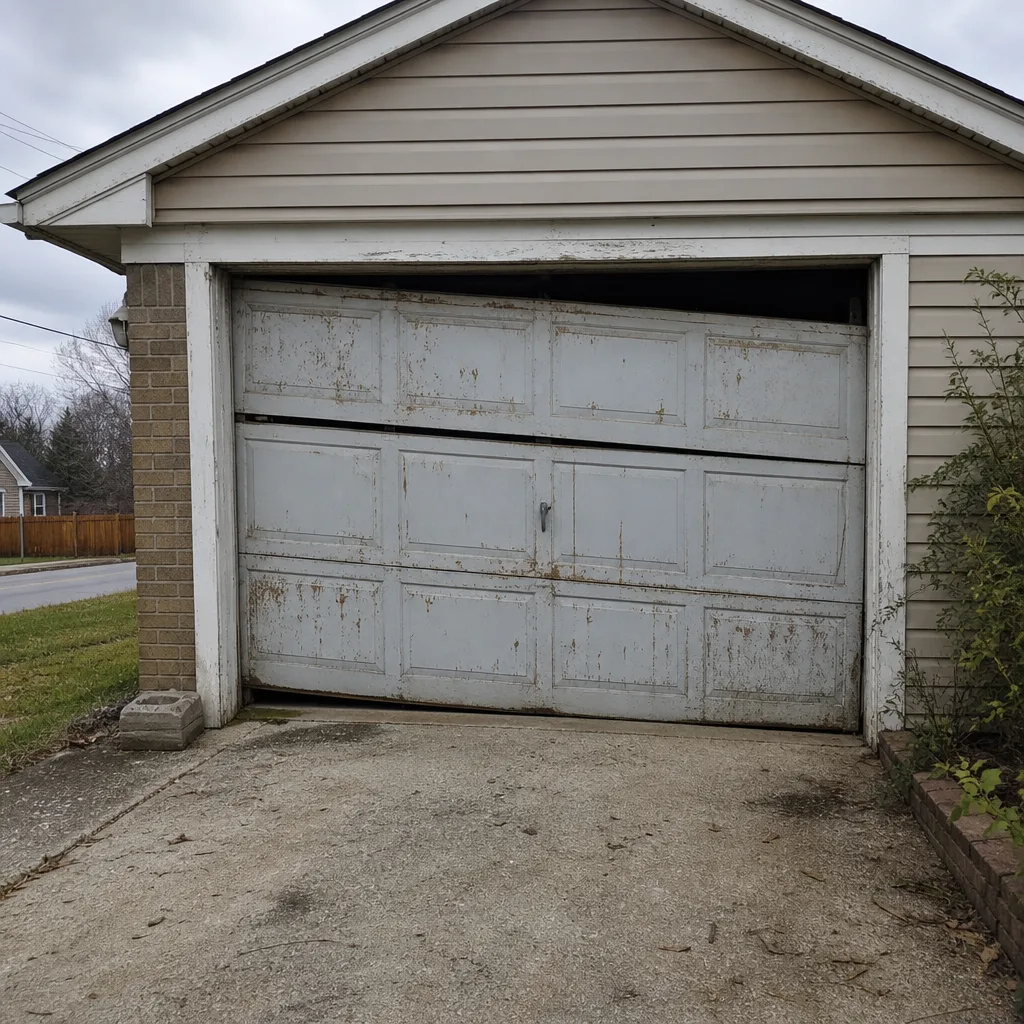 Before
 After
 Before
 After
When to Call a Professional
Some maintenance is yours to do. Some isn’t. Call a professional when the door won’t stay balanced, when a spring breaks (you’ll usually hear a loud bang), when a cable is frayed or off its drum, when the door comes off the track, or when the opener reverses on its own no matter what you try. Also call if the door feels noticeably heavier than it used to or if you see daylight through a closed door. And call if you’re not sure: a free estimate on a repair beats a guessing game with a door you use every day. Easton Garage Door Service offers free estimates in Knoxville. Call (855) 965-2742. We answer 24/7, with fast dispatch from 7am to 7pm, Sunday through Friday.
Frequently Asked Questions
Lubricate the rollers, hinges and bearing plate every three to four months in Knoxville, and spray the torsion spring and tracks with silicone at the same time. The humidity and heat here are harder on lubricants than a dry climate, so twice a year is the minimum and four times is better. Wipe off old grease before applying new, and use white lithium or silicone rather than WD-40. Call (855) 965-2742 if you’d like us to inspect the door and show you what to check.
A binding door is the most common reason an opener burns out. Dry rollers, stiff hinges, a failing spring, or an out-of-balance door all add resistance, and the opener motor works harder until the drive system fails. Lubricate the moving parts first, test the balance, and check that the door moves freely by hand with the opener disconnected. If the opener still strains, call us for garage door opener repair before replacing it.
Yes, to a point. Cold metal contracts and springs deliver less force, so a door that’s near the edge of its balance range can feel noticeably heavier in January. A door that won’t stay open at all, or that reverses on its own, is not normal and needs a technician. Seasonal spring tension checks before winter are the best prevention. Call (855) 965-2742 to schedule an inspection.
No. Torsion springs are under extreme tension, and adjusting or replacing them requires specialized winding bars and training. A slip can cause serious injury. This is the one garage door repair we tell every homeowner to leave to a professional. Repairs on the door panels, rollers, seals and opener are more manageable for a confident homeowner, but springs and cables belong to a trained technician.
Keep a simple notebook or digital note with the door brand and model, the opener brand and model, every service call date and description, any spring replacement, and your monthly inspection findings. Share it when you call for service. It helps a technician bring the right part the first time and helps you compare quotes accurately. If you’ve lost the labels, we can identify the brand and model on a service call.
We’re trained and experienced on eight of the industry’s leading brands, including LiftMaster, Chamberlain, Genie, Clopay, Amarr, Wayne Dalton, Craftsman and Raynor. That means we diagnose across the brands most Knoxville homes already have. You don’t need a single-brand specialist for a Clopay, Wayne Dalton or Craftsman door, and you don’t need a separate company for the opener. Call (855) 965-2742 for a free estimate.
The Bottom Line
The parts that fail first on a Knoxville garage door are rollers, hinges and seals, and lubrication is the cheapest way to protect the expensive parts. A 10-minute monthly self-inspection, a seasonal balance check before winter and after it, and a written service history will prevent most of the repair calls we see. Springs and cables belong to a trained technician. When something’s beyond a checklist, we’re here to help. Easton Garage Door Service works on the brand you already have, from springs to smart openers, and offers free estimates in Knoxville. Call (855) 965-2742. We answer 24/7, with fast dispatch from 7am to 7pm, Sunday through Friday.
Written by the team at Easton Garage Door Service.